Pixel art is far from outdated. In fact, some of the most creative, emotional, and addictive PC games embrace it fully. From brutal roguelikes to heartfelt adventures, these are the top 12 best pixel games that prove retro visuals can deliver unforgettable modern experiences.
Table of Contents
DAVE THE DIVER
DAVE THE DIVER is one of those pixel games that completely pulls you in with its charm and variety. You spend your days diving into the mysterious Blue Hole, catching fish with your harpoon, gathering resources, and discovering new sea creatures in an ever-changing underwater world. At night, the pace shifts as you help run a sushi restaurant, serving customers and turning your catches into profit that funds better gear and deeper dives.
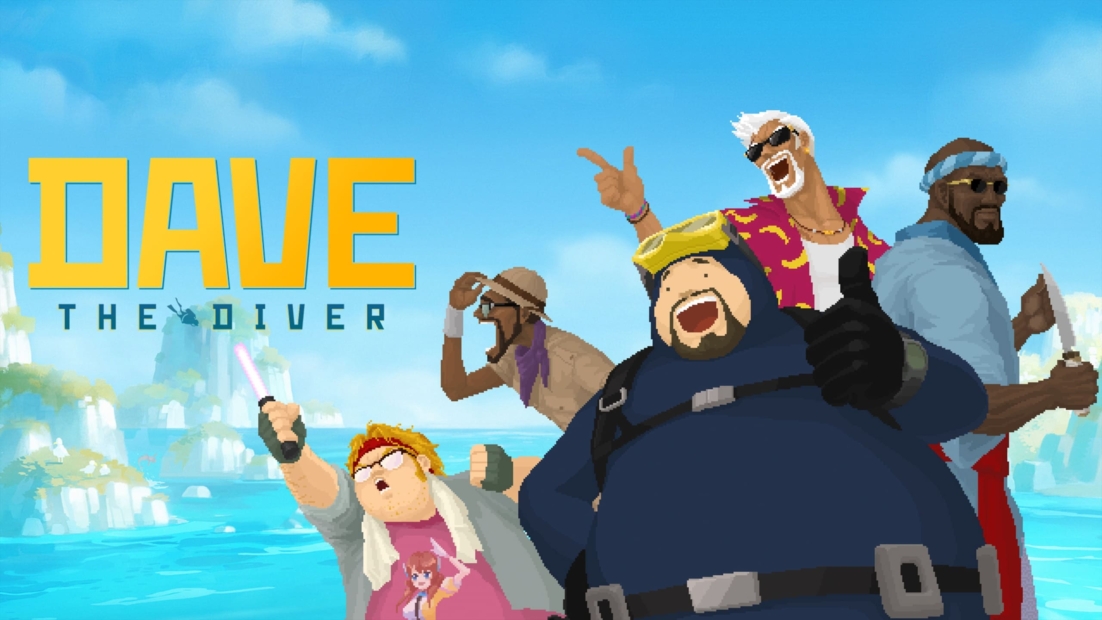
The loop quickly becomes addictive. Every dive feels rewarding, every upgrade opens new possibilities, and the constant sense of progression keeps you hooked. The game also mixes pixel art with 3D environments, creating gorgeous ocean scenery that feels alive and vibrant. On top of that, the quirky characters and humorous story give everything personality. You get a cozy adventure, tons of exploration, and surprisingly deep mechanics.
The Binding of Isaac: Rebirth
The Binding of Isaac: Rebirth is a pixel-art classic that shows how deep and replayable this style can be. You follow Isaac, a child who escapes into a monster-filled basement after his mother believes she must sacrifice him. The story leans heavily into dark religious themes, yet it balances the horror with bizarre humor and grotesque transformations. Each playthrough is randomly generated and packed with strange items that completely change how you fight and survive.
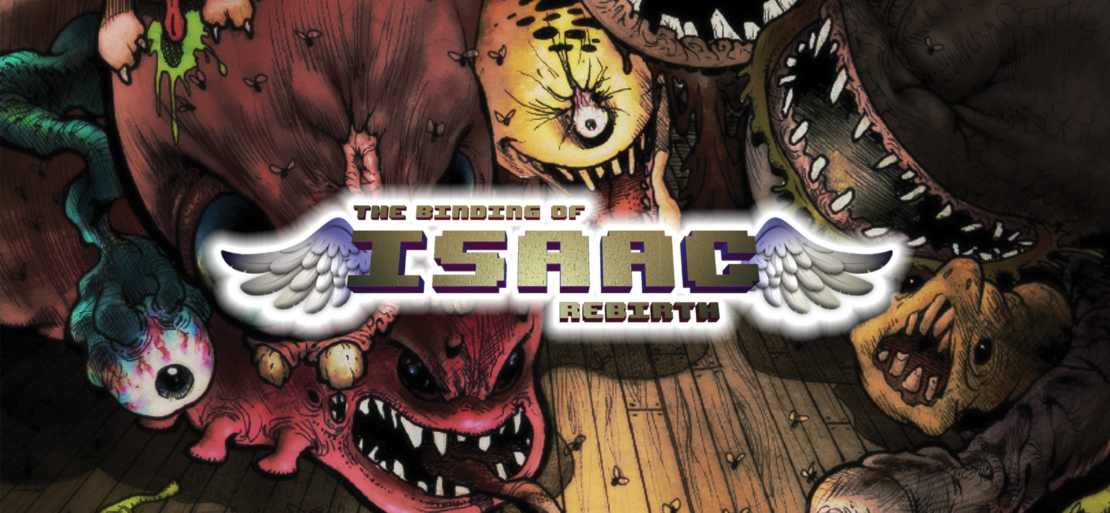
One run might turn you into a laser-shooting powerhouse, while the next leaves you struggling with risky abilities. That unpredictability creates an addictive loop that keeps you coming back for “just one more run.” The hand-drawn pixel visuals give the game its disturbing charm, perfectly matching the eerie atmosphere and emotional undertones. With hundreds of items, branching paths, multiple endings, and massive amounts of content, it’s among the most influential and essential pixel-art roguelikes you can play.
Vampire Survivors
Sometimes you just want pure chaotic fun without complicated mechanics getting in the way, and that is exactly where Vampire Survivors shines. You step into a gothic-inspired world filled with endless waves of monsters, and your only goal is simple: survive as long as possible. Attacks trigger automatically, so your focus is on movement, upgrades, and building absurdly powerful combinations that can wipe out thousands of enemies in seconds.
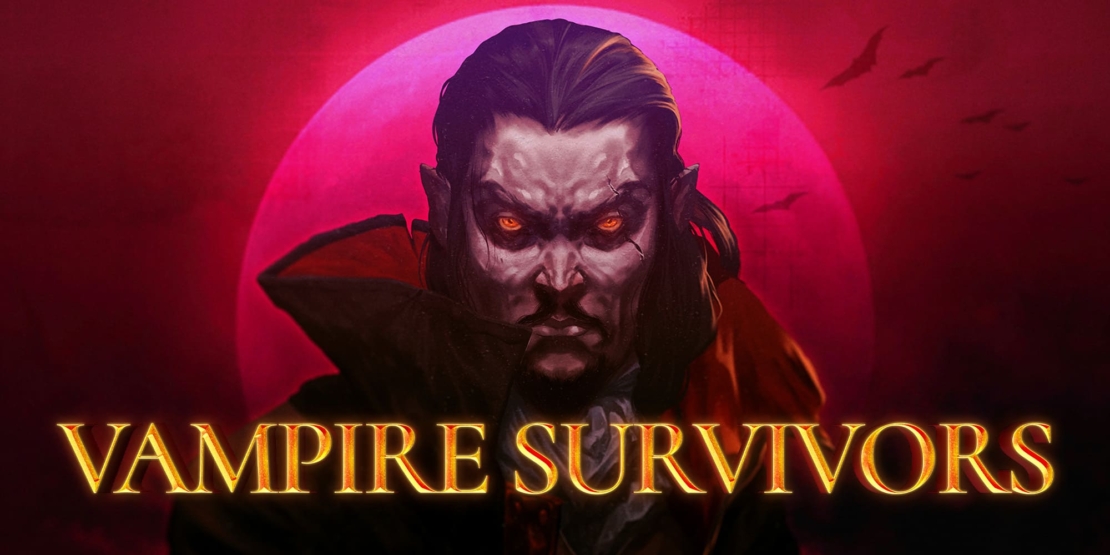
Every run earns gold for permanent upgrades, making the next attempt stronger and unlocking more characters, weapons, and secrets. That constant progression creates an incredibly addictive loop in which time slips by before you notice. The pixel art style may look minimal at first, but once the screen fills with enemies, effects, and projectiles, it becomes a spectacular mess in the best way. It’s a perfect example of how simple pixel visuals can support gameplay that feels intense, rewarding, and impossible to put down.
DELTARUNE
A mysterious world, unforgettable characters, and emotional storytelling come together beautifully in DELTARUNE. Created by the developer of UNDERTALE, this adventure follows Kris and their friends as they are pulled into a strange parallel reality filled with danger, humor, and surprising heart. Along the way, you meet new companions and familiar faces while uncovering secrets that gradually build into a larger narrative.

Combat blends classic RPG mechanics with bullet-dodging sequences, giving battles an energetic twist where your reflexes matter as much as your choices. Like UNDERTALE, you can often choose whether to fight or spare enemies, shaping how encounters unfold. The expressive pixel animation and incredible soundtrack give the game a lot of personality, but what really makes it stand out is its emotional impact. You get moments of pure comedy, tense challenges, and genuinely touching character development.
Celeste
Few pixel games manage to combine tight gameplay and emotional storytelling as perfectly as Celeste. You follow Madeline on her journey to climb Celeste Mountain, but the challenge isn’t just physical. The story explores anxiety, self-doubt, and perseverance in a way that feels personal without slowing the action. The platforming is incredibly precise. With simple abilities like jumping, dashing, and climbing, you tackle hundreds of carefully designed levels.
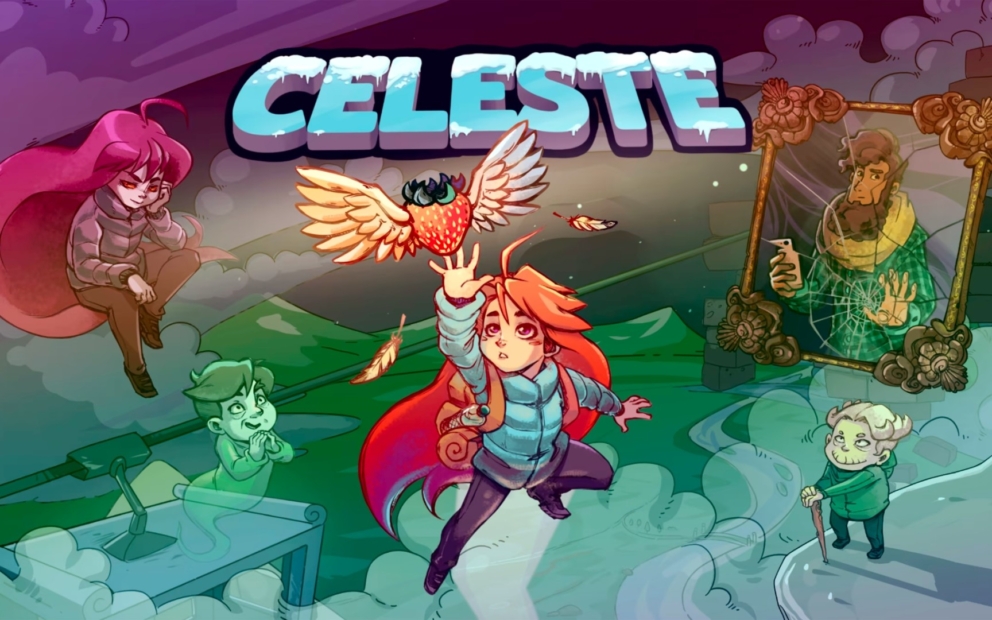
The best part is that every failure feels fair. You always know what went wrong, and instant respawns keep you motivated to try again. That constant learning loop makes progress feel genuinely rewarding. The charming pixel visuals, expressive animations, and outstanding soundtrack create a memorable atmosphere that lingers. Celeste shows how pixel art can support both hardcore gameplay and meaningful storytelling, proving that retro-inspired visuals can still deliver modern masterpieces.
Dead Cells
Fast, brutal, and endlessly replayable, Dead Cells is a perfect showcase of how modern pixel art can feel incredibly fluid and dynamic. You play as an immortal experiment that takes over bodies to fight through a sprawling, ever-changing castle on a cursed island. The catch is simple: once you die, you start over. No checkpoints, just skill, upgrades, and whatever you learned from your last attempt. Movement is lightning fast, attacks feel precise, and experimenting with different weapons and builds never gets old.
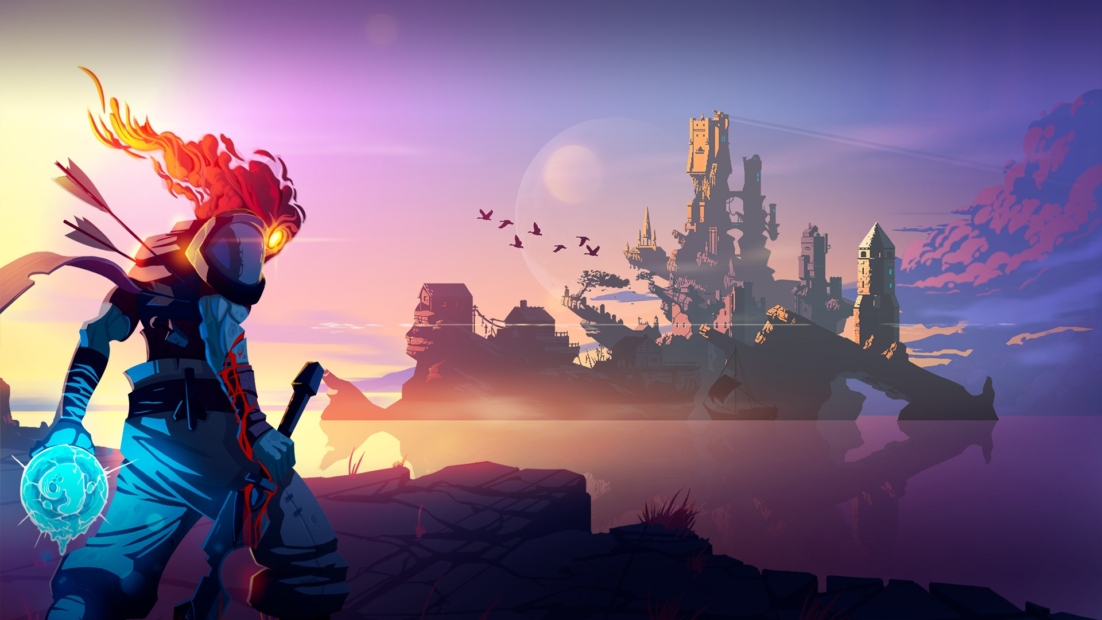
The blend of roguelite progression and Metroidvania exploration keeps every run fresh, with new paths, abilities, and secrets unlocking constantly. Visually, the game is stunning. The pixel art animation is unbelievably smooth, giving every dodge, slash, and parry a satisfying impact. Combined with challenging but fair difficulty and excellent level design, it’s easy to sink dozens of hours into it. For a pixel game, it delivers an experience that feels almost AAA in quality.
Noita
Chaos, experimentation, and brutal unpredictability define Noita, a pixel art game that pushes the style in a uniquely different direction. Every pixel in the world is physically simulated, so fire spreads naturally, liquids flow, explosions destroy terrain, and your mistakes can literally blow up in your face. That level of interaction makes every run feel dynamic and often hilarious.
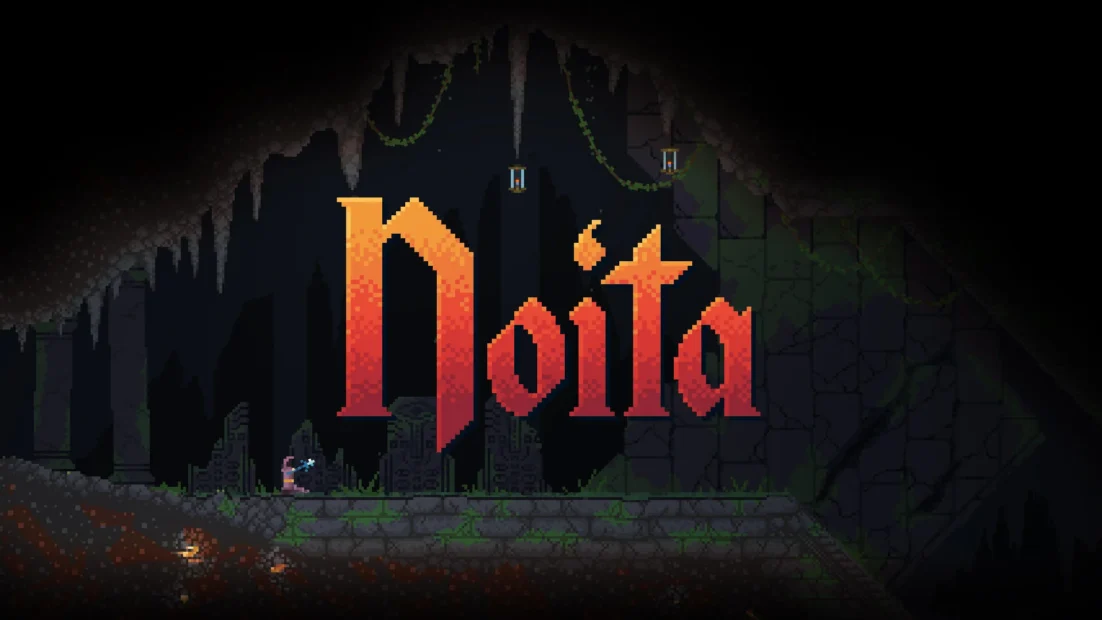
You play as a wizard exploring dangerous underground environments, crafting your own spells by creatively combining magical effects. One moment, you feel unstoppable with a powerful wand, and the next, you accidentally trigger a chain reaction that ends your run instantly. Death is permanent, but each failure teaches you something new.
Katana ZERO
Speed, precision, and style come together perfectly in Katana ZERO, a pixel-art action game that feels like playing through a neon-soaked thriller. You play as a deadly assassin who can manipulate time, letting you dash through levels, deflect bullets, and eliminate enemies in creative ways. The twist is that one hit means death, so every encounter becomes a fast-paced puzzle where timing and positioning are crucial.
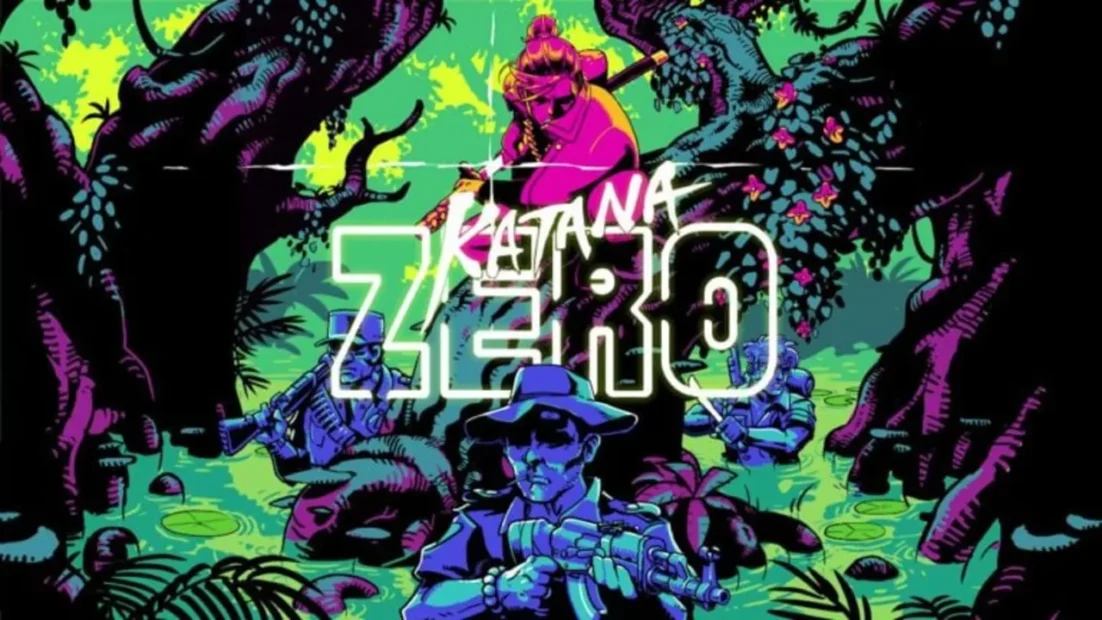
What really sets it apart is the presentation. The combat is incredibly satisfying, and the story is just as compelling, unfolding through cinematic scenes and interactive dialogue that lets you interrupt characters mid-sentence. That mechanic adds tension and personality while shaping how conversations play out. The vibrant pixel visuals and moody atmosphere give the game a distinct identity that sticks with you.
Hotline Miami
Few pixel art games hit you with pure adrenaline quite like Hotline Miami. Set in an alternate late-80s Miami, you play a mysterious antihero carrying out violent missions after receiving cryptic messages on your answering machine. The story quickly turns surreal, leaving you questioning what is real and why you’re doing any of it in the first place.
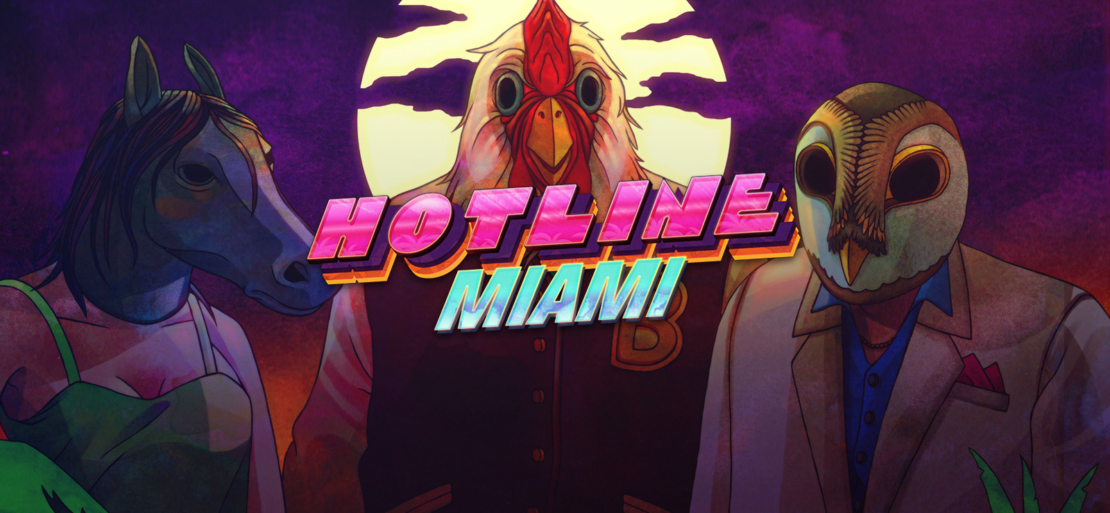
Gameplay is fast, brutal, and unforgiving. One hit means death for you and your enemies, so every room becomes a high-speed puzzle where you plan routes, react instantly, and improvise when things go wrong. Whether you charge in with weapons or rely on melee attacks and positioning, success feels deeply satisfying. The neon-soaked pixel visuals, paired with the legendary electronic soundtrack, create a hypnotic atmosphere that pulls you into a flow state. It’s a perfect example of how pixel art can amplify intensity, style, and storytelling.
SANABI
A neon-drenched dystopia, a chain-hook prosthetic arm, and one last mission set the stage for SANABI. You step into the role of a legendary retired veteran called back into action to infiltrate a megacity ruled by a corrupt conglomerate. Armed with your grappling arm, you swing across skyscrapers, dodge bullets, and tear through enemies with incredible speed and precision.
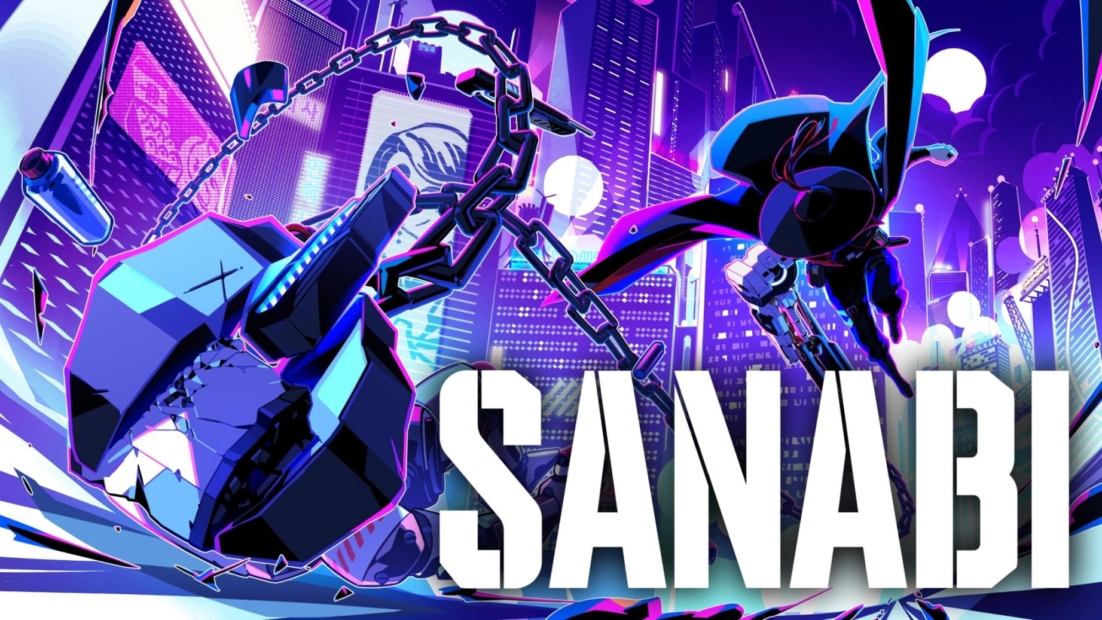
Traversal feels fluid and empowering, letting you chain swings and attacks together so every encounter looks stylish. It’s fast and challenging, but never unfair, constantly pushing you to master your tools. The pixel art brings the cyberpunk city of MAGO to life with striking detail and atmosphere. On top of that, the story delivers emotional punches and clever twists, supported by a memorable soundtrack and strong character moments, especially with your hacker companion, Mari.
ANIMAL WELL
Mystery and quiet tension define ANIMAL WELL, a pixel game experience that feels like stepping into a living puzzle box. You hatch from a flower into a dense, interconnected labyrinth filled with strange creatures, hidden pathways, and secrets layered on top of secrets. There’s very little hand-holding. You explore at your own pace, lighting candles for safety and slowly mapping out the unknown.
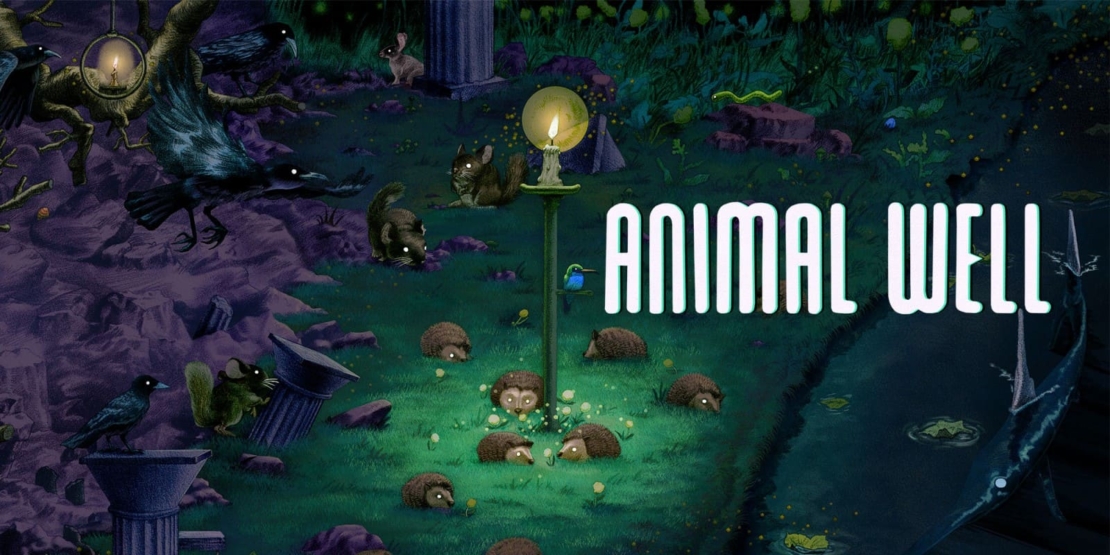
Instead of focusing on combat, the game builds suspense. You’re not powerful, but you’re clever. Items you find can be used in multiple ways, interacting with the environment and wildlife in surprising, systemic ways. Small details that seem meaningless at first often turn out to be key pieces of much larger puzzles. Visually, it’s stunning. The intricate pixel art, atmospheric lighting, and subtle sound design create a world that feels both cozy and unsettling.
Arietta of Spirits
A quiet family trip turns into something far more mysterious in Arietta of Spirits. You follow Arietta as she visits her late grandmother’s island home with her family, only to discover she can suddenly see the spirits that linger there. What begins as a simple getaway slowly unfolds into an emotional journey of grief, connection, and hidden truths.
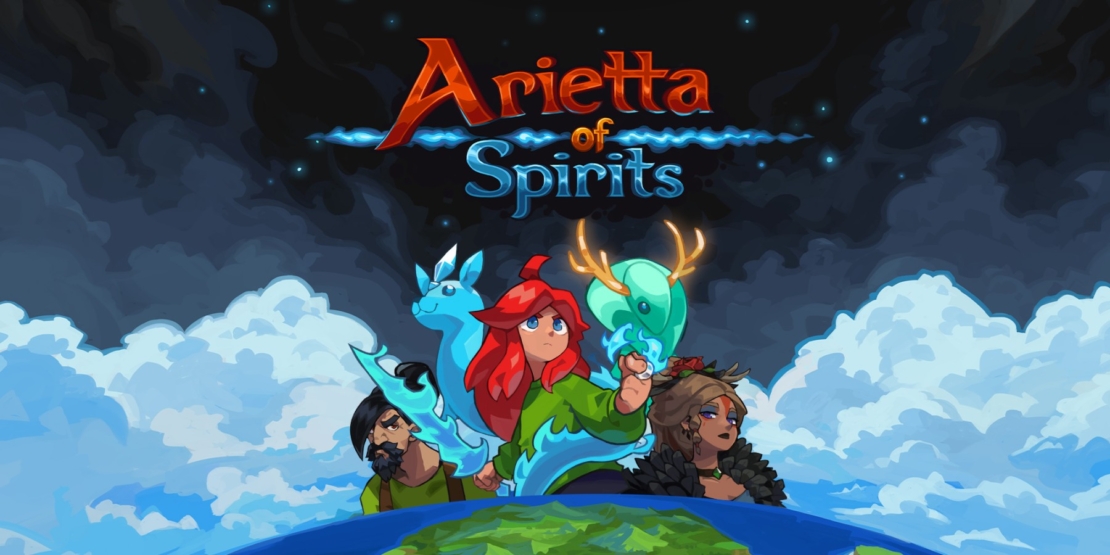
You explore lush forests, dark caverns, and secret-filled ruins in a classic top-down style, with fast, responsive combat that feels satisfying without being overwhelming. Boss fights add intensity, pushing you to read patterns and react quickly while remaining approachable. The retro-inspired pixel art is vibrant and full of life, paired with a beautiful soundtrack that perfectly matches the tone. It is not a massive open-world epic, but that’s part of its charm.
You might also like:

 English
  Deutsch