Nioh 3 is fast, punishing, and packed with deep combat systems that can overwhelm new players. Our Nioh 3 tips and tricks explain the most important mechanics and show you how to survive early on, build confidence in combat, and master the game without unnecessary frustration.
Table of Contents
Nioh 3 Ki Guide
If there’s one system you absolutely need to understand early in Nioh 3, it’s Ki. Ki is your stamina, and it controls almost everything you do in combat. Attacking, dodging, blocking, sprinting, and even jumping all drain it. Run out at the wrong moment, and you’re wide open to punishment.
Ki Meter and Max Ki Explained
On your HUD, you’ll see two important bars:
- White bar: your Health
- Blue bar: your Ki
When your Ki Meter hits zero in Nioh 3, and you take a hit, your character enters a brief stagger during which you can’t act. This is one of the fastest ways to die, especially against aggressive enemies.

Enemies follow the same rules. Attacking them drains both their current Ki and their Max Ki.
- Basic enemies can be grappled when their Ki Meter reaches zero
- Stronger enemies need their Max Ki reduced to zero before a grapple becomes possible
- When an enemy has no Ki, every hit will stagger them, letting you stay on the offensive
Ki Pulse is the Core of Combat
After finishing a Samurai-style attack combo in Nioh 3, you’ll notice a red section on your Ki bar. When it refills, press R1 or RB to perform a perfect Ki Pulse, instantly restoring most of the Ki you just spent. This mechanic is the backbone of combat.
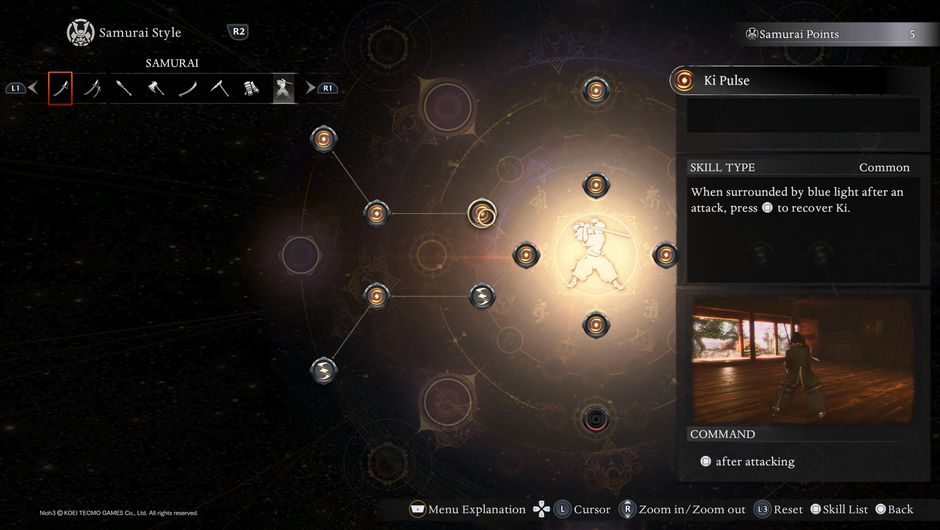
Why Ki Pulsing matters:
- Lets you keep attacking without exhausting yourself
- Prevents enemies from turning the fight around
- Clears dangerous Yokai Pools left on the ground
A great Nioh 3 trick for beginners is to watch the blue glow around your character rather than stare at the Ki bar. When the glow peaks, tap the button. This helps you build muscle memory quickly and keeps your focus on the fight.
Practice Early and Often
Start Ki Pulsing right away, even during the tutorial. Every attack string should end with it. The more consistent you are, the more aggressively you can play without risking exhaustion.
As you unlock more skills, Ki Pulsing gets even better:
- Flux lets you switch stances during a Ki Pulse to regain extra stamina
- Passive skills can add new effects like clearing pools through alternate movement abilities
Ninja vs. Samurai
Combat in Nioh 3 centers on freely swapping between Samurai Style and Ninja Style. Each style has its own weapon, strengths, and purpose, and knowing when to switch is key to surviving tougher encounters.
Samurai Style
Samurai Style is your direct-combat option and will feel familiar if you played earlier Nioh games. It focuses on stance-based fighting and sustained pressure.
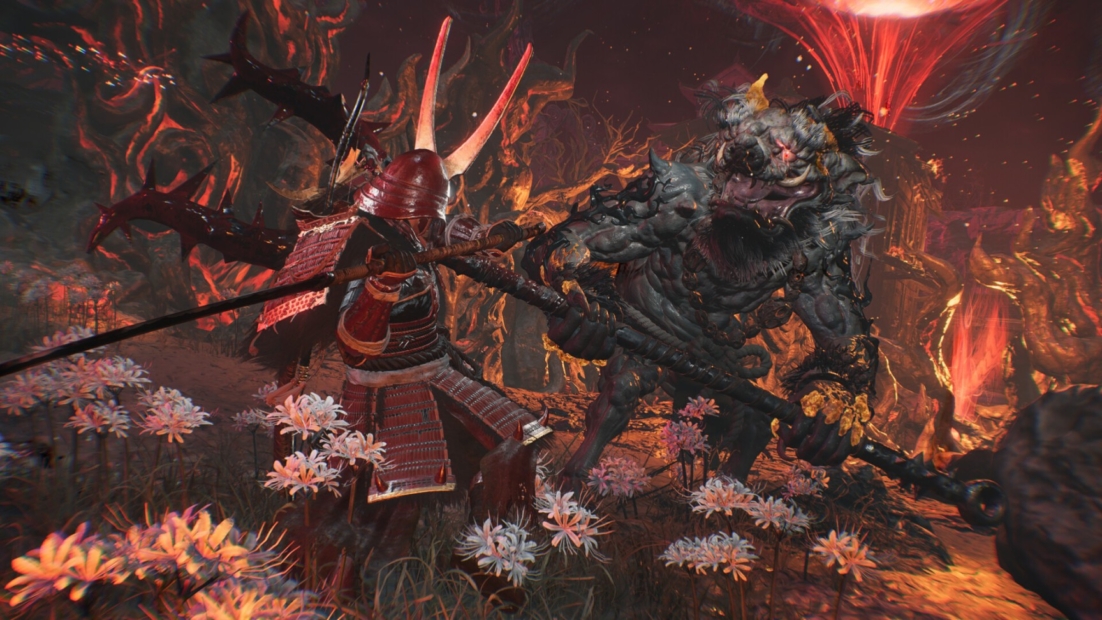
- Uses Low, Medium, and High stances with different attack patterns
- Best for head-on fights and boss encounters
- Supports heavier armor and higher equip load
While attacking or guarding, you build the Arts Gauge. When active, your next Martial Art or Strong Attack is enhanced. You can chain long combos to maximize the value of a single gauge use.
Samurai Style also includes Deflect, a precise parry. Tapping L1 or LB just before an attack lands negates damage, restores Ki, and refills your resource gauges. Holding the button instead guards, but drains Ki and doesn’t block elemental damage.
Ninja Style Explained
Ninja Style in Nioh 3 is all about speed and positioning. It uses less Ki overall and rewards aggressive movement.
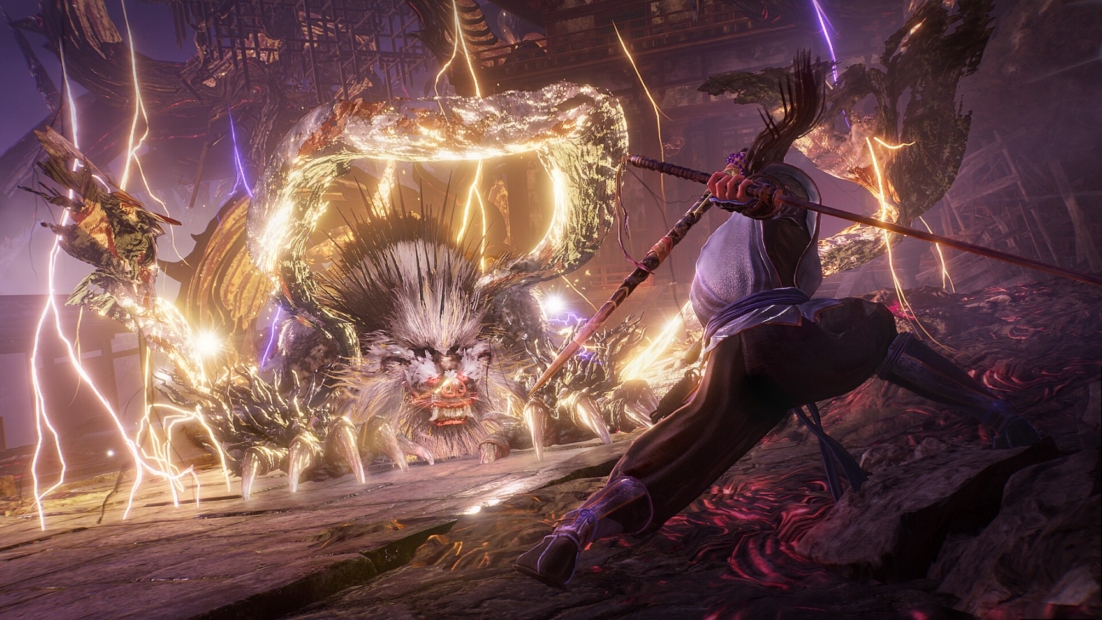
What makes Ninja Style special:
- Extremely high mobility
- Double damage when attacking enemies from behind
- Lower Ki costs for most actions
Instead of Ki Pulse, Ninja Style uses Mist. After attacking, you can instantly evade in any direction without consuming Ki. The trade-off is that you cannot recover Ki or cleanse Yokai Pools in this form.
Ninjutsu and Ninja Gameplay
Ninja Style introduces Ninjutsu, which works through three dedicated slots.
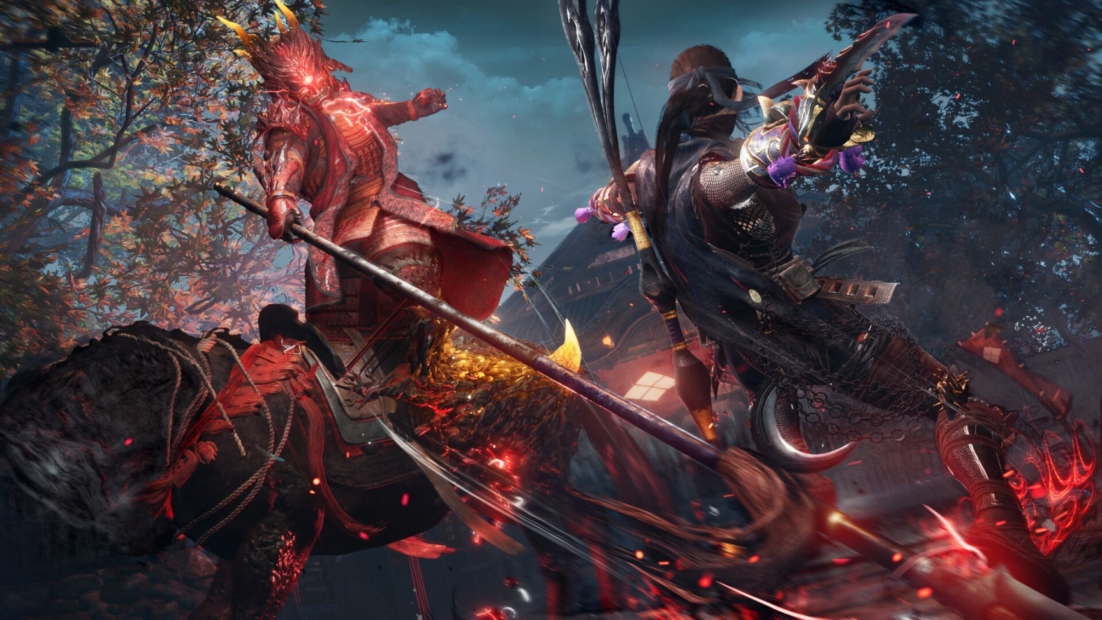
Important things to know:
- All Ninjutsu gauges fill at the same time when you attack
- Abilities come from the Ninja skill tree
- Ninjutsu adds utility and burst damage to your kit
This makes Ninja Style excellent for hit-and-run tactics or dealing with enemies you’re still learning.
Swapping Styles and Burst Breaks
The real strength of Nioh 3 lies in switching styles mid-fight.
You might:
- Swap to Ninja when you get behind an enemy for bonus damage
- Switch to Samurai when your Arts Gauge is ready for a heavy hit
Some enemy attacks force this decision. When an enemy glows red, they are using a Burst Attack. Swap styles at the exact moment of impact to trigger a Burst Break, drastically reducing their Max Ki. This mechanic is essential for boss fights.
Skill Progression and Exploration
Skills in Nioh 3 are unlocked through special items rather than by leveling up at Shrines.
- Samurai’s Locks unlock Martial Arts and weapon skills
- Ninja’s Locks grant access to Ninjutsu and Ninja abilities
These are obtained by exploring regions, completing side quests, defeating Crucible Bosses, and collecting Valuables. Raising a region’s Exploration Level also rewards Locks, making exploration as important as combat.
Weapon Tips
With 14 different weapon types in Nioh 3, choosing what to use can feel overwhelming at first. The good news is that the game actively encourages you to experiment. Weapons are split evenly between Samurai and Ninja Style, and each side offers a very different combat feel.
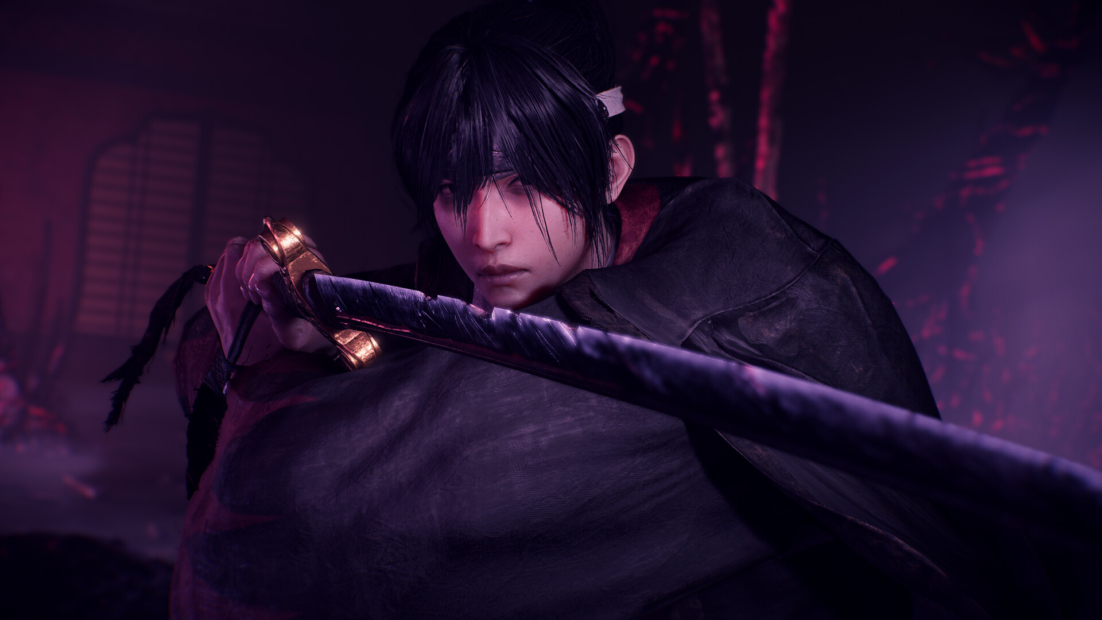
Samurai and Ninja Weapons Overview
Samurai Style focuses on structure and stance control. You can choose from:
- Sword, Dual Swords, Spear, Axe, Odachi, Switchglaive, Cestus
Ninja Style is faster and more streamlined, offering:
- Ninja Sword, Dual Ninja Swords, Kusarigama, Tonfa, Hatchets, Splitstaff, Talons
Each weapon type has its own identity. Some excel at reach and crowd control, while others reward speed and aggression.
Martial Arts and Weapon Skills
Every weapon has a dedicated Martial Arts tree. These unlock new attacks, passives, and combo extensions using inputs such as:
- Directional inputs with heavy attacks
- Mixing light and heavy attacks
- Charged attacks and airborne strikes
Samurai weapons gain extra depth because each stance can have different skills bound to the same input. Ninja weapons are simpler, with fewer inputs and less flexibility.
This means you often need to choose which skill to equip in the Customize menu, especially when multiple abilities share the same button combination.
Upgrade and Experiment Early
You’ll keep finding stronger gear as you progress. Don’t get attached to early weapons.
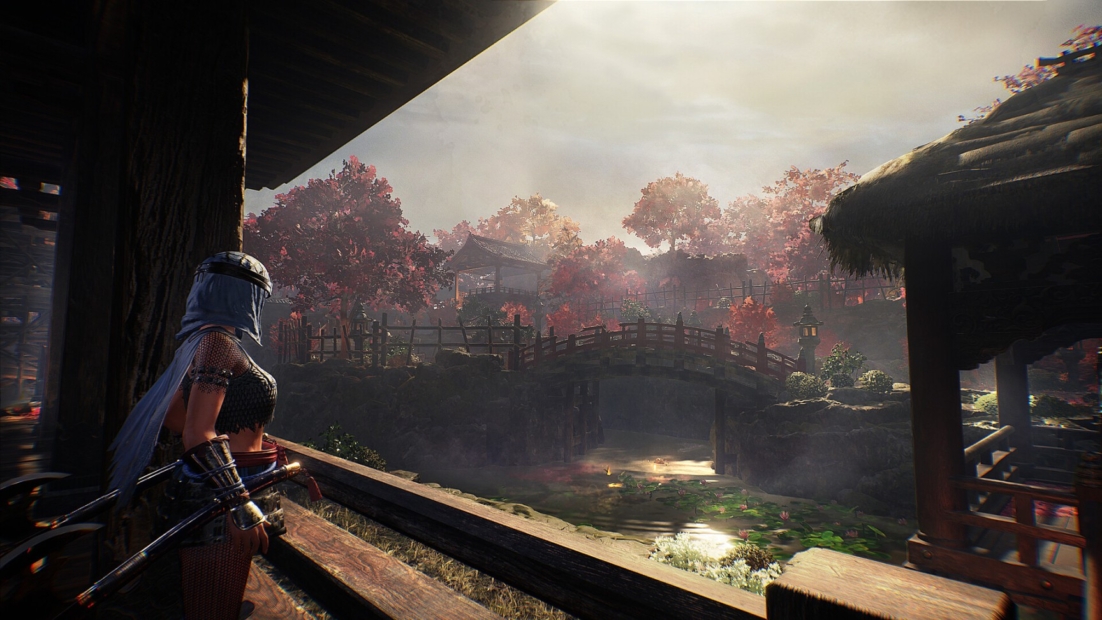
Early game tips:
- Equip higher damage weapons as you find them
- Try different weapon types instead of sticking to one
- Pay attention to how each weapon feels in real combat
Some weapons, such as swords and spears, are easier to learn, while others reward aggressive or precise play. Comfort matters more than raw damage.
More Nioh 3 Tips and Tricks
- Hunt down Kodama whenever you can. These hidden green spirits grant Kodama Merit, which you can spend at Shrines to upgrade blessings.
- Activate Six Jizo Statues in each region. They function similarly to Kodama blessings and are especially valuable when you often run low on healing items during longer encounters.
- Increase your minimum Elixir count early. The more Kodama you find, the more Elixirs you automatically refill at Shrines.
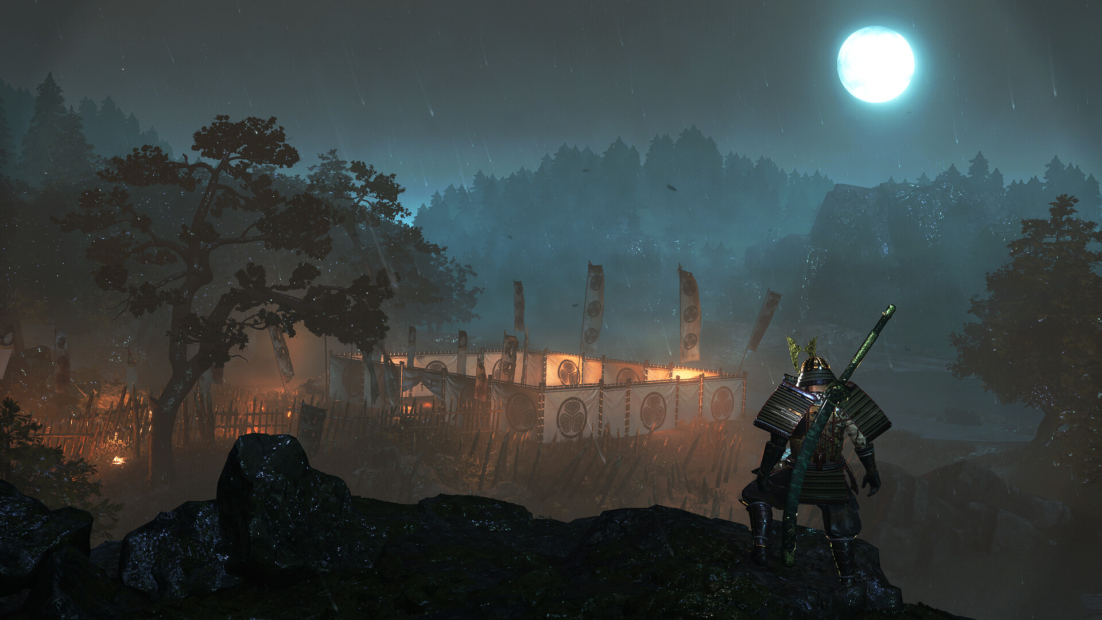
- Fight Revenants for gear. Red swords stuck in the ground mark fallen players. Defeating their Revenants lets you see their loadout and, sometimes, claim their equipment. Just make sure their level is close to yours.
- Track Bloodedge Demons when they appear. If one spawns, the game will notify you. Defeating Revenants will point you toward it. These fights are brutal, but they drop some of the best early-game loot.
- Spend your Prestige Points. Completing challenges and earning titles rewards Prestige Points that permanently enhance combat stats. Do not let them sit unused in the menu.
- Experiment without fear. You can respec almost everything, including levels, skills, blessings, and points. At a Shrine, press R3 on the controller or R on the keyboard to reset and try something new.
Customize Nioh 3 with PLITCH!
If you want to tailor Nioh 3 to your skill level, PLITCH’s Nioh 3 cheats give you plenty of ways to do exactly that. Whether you’re still learning the combat flow or just want to experiment freely with builds, the available codes let you adjust the difficulty without breaking the core experience.
With Unlimited Ki and Unlimited Martial Art Energy, you can execute long combos, perform stance swaps, and switch styles without constantly running out of stamina. Unlimited Health or full Godmode is perfect for exploring dangerous areas, learning boss patterns, or testing weapons without the frustration of repeated deaths.
On the difficulty side, you can fine-tune combat by adjusting how much damage enemies take, or even enable Easy Kills to speed through tougher sections. If you prefer a challenge, you can leave reducing player damage taken off while still boosting enemy damage for faster fights.
If you want to learn more about PLITCH, check out this blog and our YouTube channel!
Happy Gaming!
You might also like:
 English
  Deutsch