Some games aren’t meant to be finished just once. They change when you return, revealing new stories, emotions, and consequences you couldn’t fully grasp the first time. We’ve got 10 single-player games with replay value that reward curiosity, reflection, and second chances, showing that replaying can be just as powerful as playing them for the first time.
Table of Contents
Clair Obscur: Expedition 33
Clair Obscur: Expedition 33 is an obvious pick and one of our favorite games of 2025 for good reason. In this RPG masterpiece, you lead the members of Expedition 33 on a desperate mission to destroy the Paintress, a mysterious figure who paints a cursed number once a year. Anyone older than that number simply fades away. Once you uncover the truth, everything changes. There are two endings, and a second playthrough completely reframes the story.
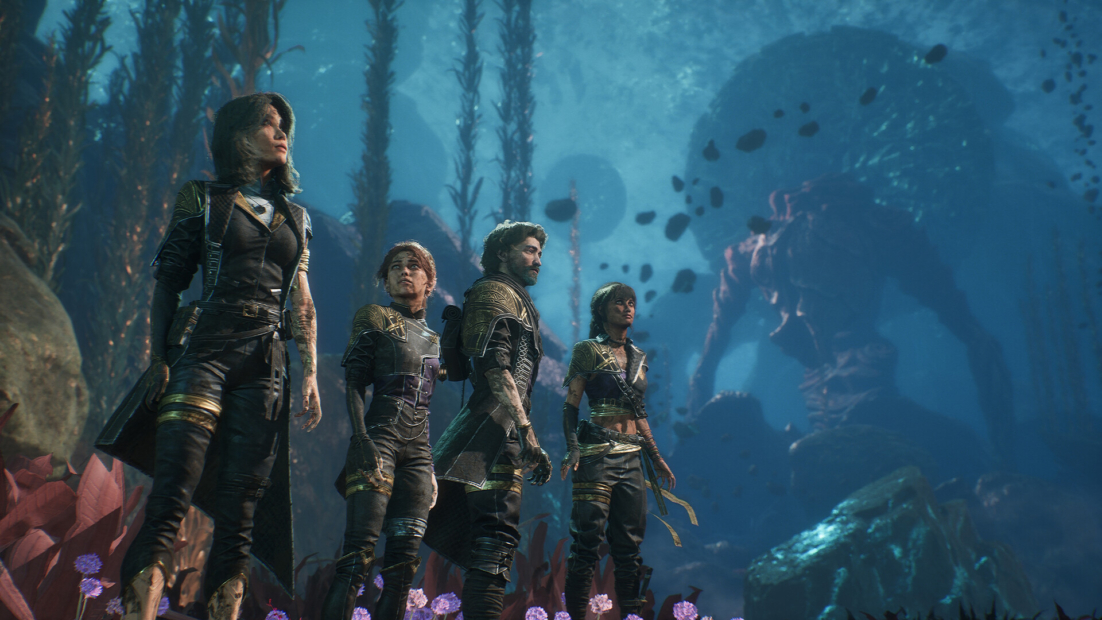
Dialogue, background details, and even visual choices suddenly hit harder and feel unsettling in ways you didn’t expect. It’s emotional, clever, and it lingers in your head. Combat is another reason to return. With six playable characters and only three on your team, replaying lets you experiment with new builds, synergies, and strategies, and it makes you notice things you missed the first time around. And this time, they matter.
Disco Elysium
In the isometric RPG Disco Elysium, you play a broken detective in the city of Revachol, solving a murder while your own mind constantly argues with itself. Skills are more than numbers here. They shape who you are, what you believe, and how the world responds to you. Your build is the story. Change your skills, political views, or how you treat others, and you unlock entirely new dialogue, thoughts, and character moments.
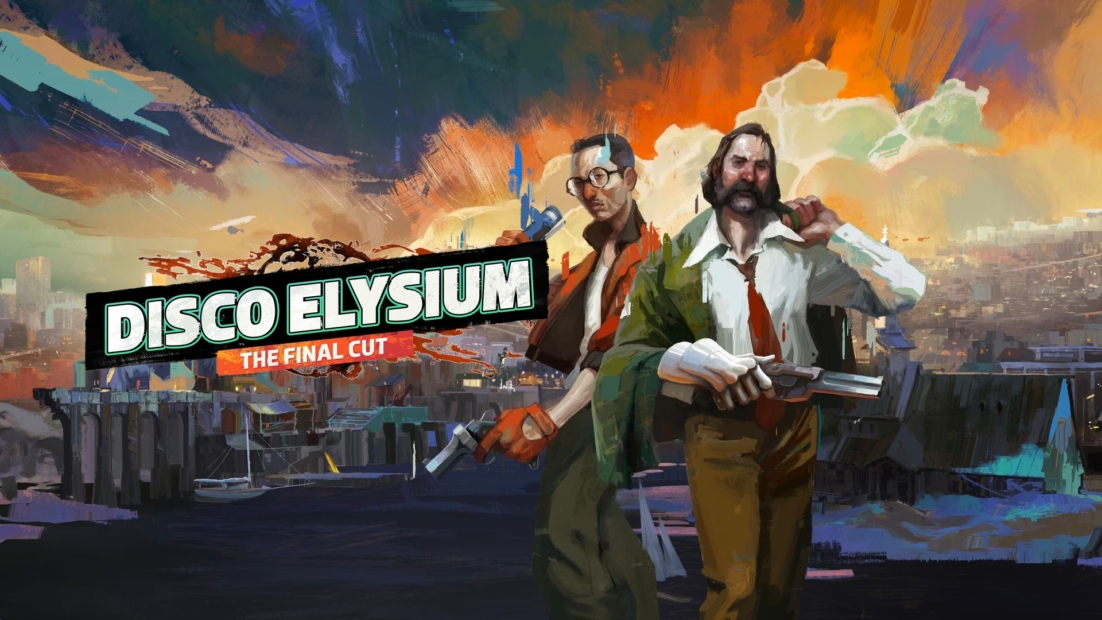
A high-intellect run feels nothing like a brute-force disaster cop or an emotional wreck who talks to his necktie. Even failure becomes part of the narrative, often funnier and more human than success. A second playthrough is essential because it shows how flexible and reactive this world truly is. Different choices reveal new sides of your partner, the city, and yourself. Disco Elysium makes you feel small, strange, and powerless in the best possible way. Somehow, that makes every return unforgettable.
The Witcher 3: Wild Hunt
The Witcher 3: Wild Hunt is the kind of game that only gets better once you already know it. You step into the boots of Geralt of Rivia, a monster slayer navigating a war-torn continent as he searches for Ciri, the Child of Prophecy. On a first playthrough, the world is overwhelming in the best way. On a second, it becomes devastating. Knowing the characters and the stakes makes every choice hit harder.
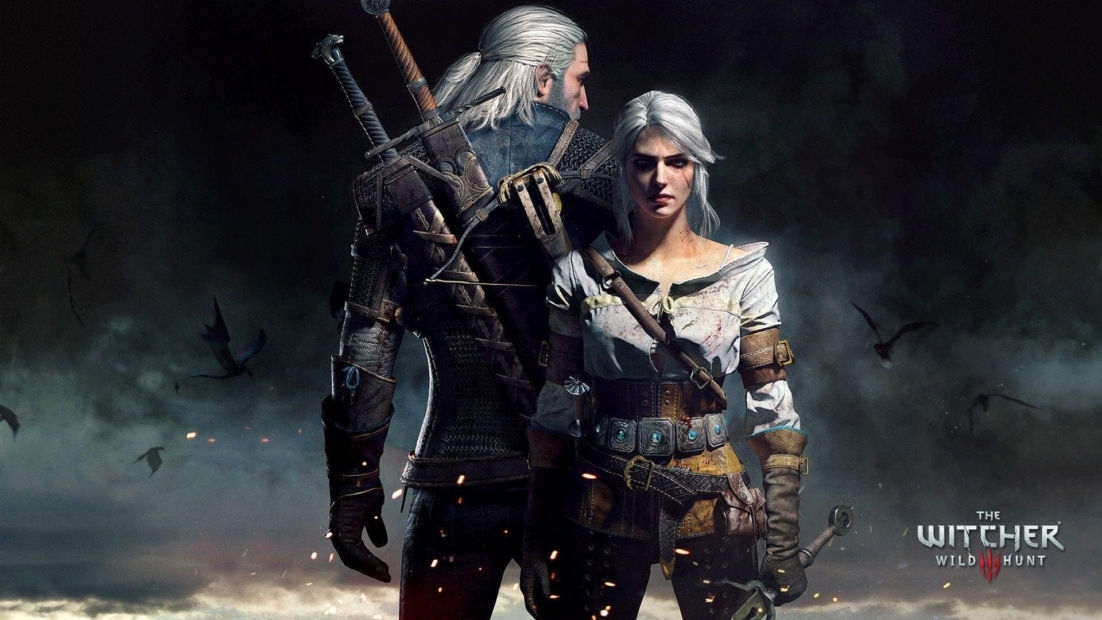
Different quest outcomes, endings, and romances reveal just how morally gray the Continent really is and how many consequences you probably never noticed before. Small side quests suddenly feel heavier. Conversations take on new meaning. You realize there was never a clean answer, only a lesser evil. With hundreds of hours of content, incredible expansions, and Gwent constantly stealing your attention, replaying lets you explore paths you ignored and decisions you were afraid to make. The writing, music, and worldbuilding remain absolute peak.
Cyberpunk 2077
CD Projekt Red just knows how to make incredible RPGs. Cyberpunk 2077 hits differently on a second playthrough. Set in the neon-soaked chaos of Night City, you play as V, trying to survive in a world obsessed with power, style, and body modification. On your first run, it is easy to get swept up in the spectacle. On a second, you move with purpose. With multiple lifepaths, builds, and endings, replaying lets you shape a completely different version of V.
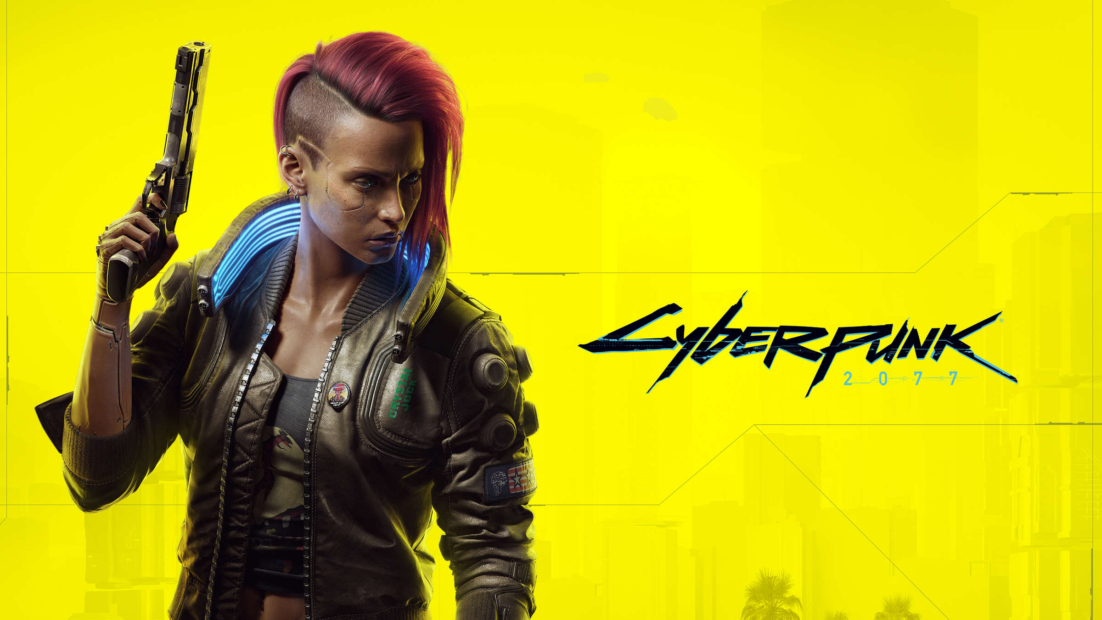
You notice storylines you skipped, spend more time with side characters, and uncover smaller, bitter stories that quietly define the city. Many side quests hit harder than the main plot, especially when you realize how little hope Night City truly offers. Combat variety encourages experimentation. Guns, blades, hacking, and stealth all feel distinct and satisfying. And when the credits roll again, that familiar emptiness returns.
Baldur’s Gate 3
Baldur’s Gate 3 is the definition of an endlessly replayable game. Set in the Dungeons and Dragons universe, it drops you into the Forgotten Realms with a mind flayer parasite in your head and an impossible number of choices. Resist the darkness, embrace it, or stumble somewhere in between. The game responds either way. What makes multiple playthroughs so tempting is how radically things can change.
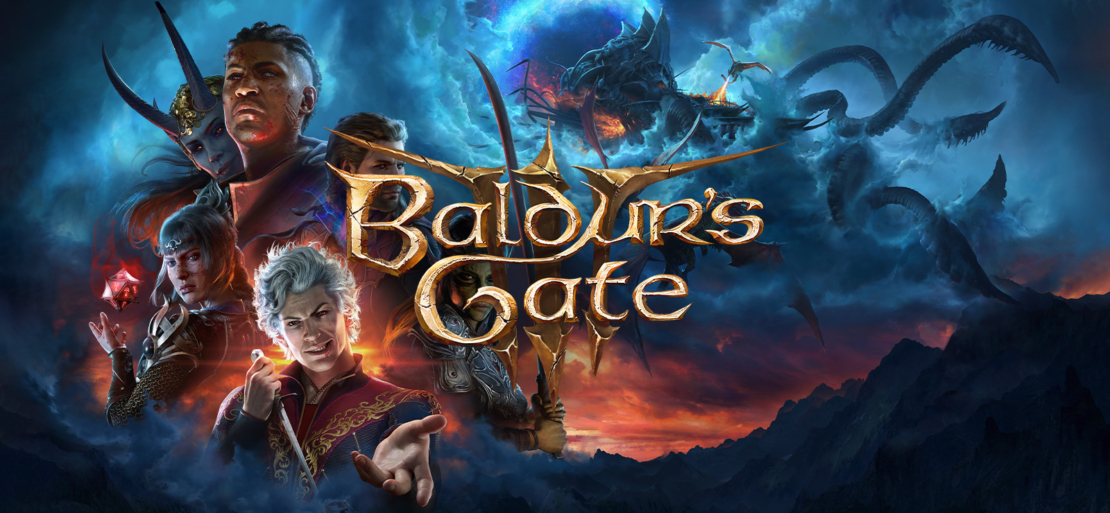
Different classes, races, companions, and Origin characters can completely reshape quests, relationships, and even entire story arcs. Playing as the Dark Urge alone turns familiar moments into something far more disturbing. It feels less like a replay and more like entering an alternate timeline. Even if you’ve never touched turn-based combat, it’s easy to learn and deeply rewarding. Incredible characters, meaningful romances, and thoughtful accessibility options make every run feel personal.
NieR: Automata
The dystopian RPG NieR: Automata is a game you replay because the story isn’t finished when the credits roll the first time. What looks like a stylish action game about androids fighting machines slowly reveals itself as something far more personal. You follow 2B, 9S, and A2 through a beautiful, broken world, and each perspective reshapes what you thought you understood. Replaying is essential. New routes introduce mechanics, viewpoints, and entire layers of meaning, turning familiar scenes into something unsettling and heartbreaking.
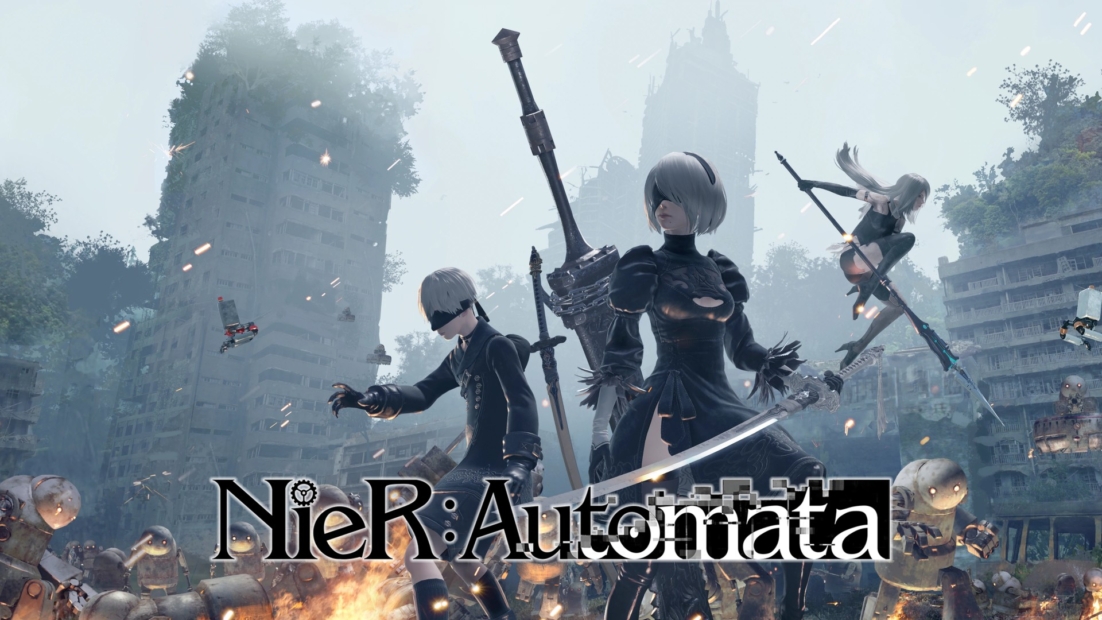
Details that once felt decorative become heavy with purpose. The game asks questions about identity, memory, and free will not only through dialogue but also through how you play. By the time you reach the later endings, the game stops speaking to its characters and starts speaking to you. Your choices matter in ways you don’t expect, including sacrifices that feel real. NieR: Automata stays with you because it understands repetition as part of its message.
Undertale
Undertale is one of those games where a second playthrough isn’t optional. It’s part of the conversation the game has with you. You play as a human who falls into an underground world of monsters, and from the start, the game makes one thing clear. You don’t have to hurt anyone. Your actions define everything. Who you spare, who you fight, and how you treat the people you meet change the story, the tone, and even how the game remembers you.
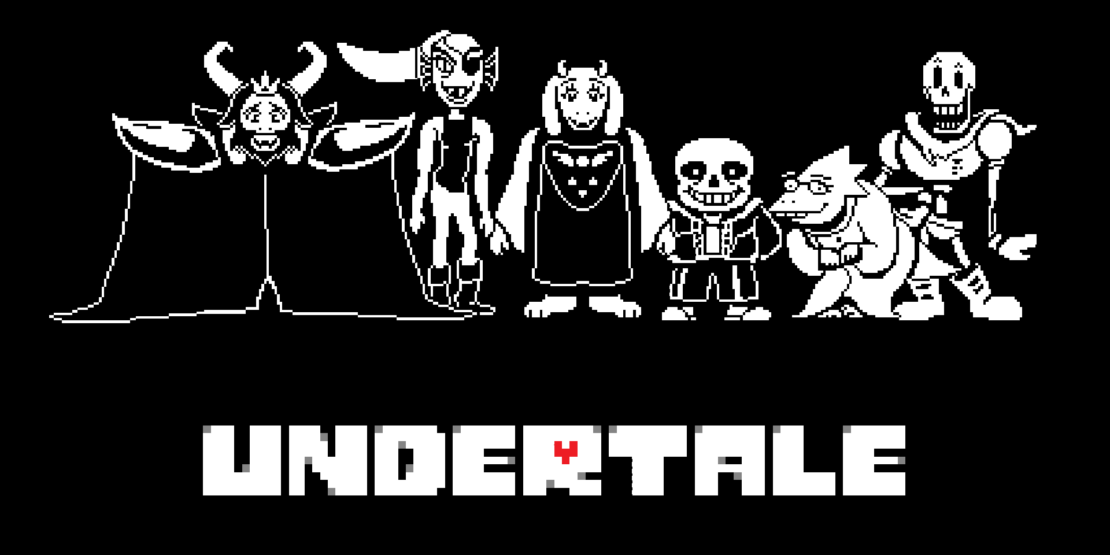
Playing again with a different approach doesn’t just unlock new scenes. It fundamentally changes how characters see you and how the world responds. The game breaks the fourth wall in ways that feel clever, funny, and sometimes deeply uncomfortable. What looks simple on the surface hides sharp writing, unforgettable characters, and real emotional weight. A second playthrough hits harder because you now know what’s at stake.
Elden Ring
FromSoftware’s Soulsborne masterwork, Elden Ring, feels endless in the best possible way. You rise as a Tarnished and step into the Lands Between, a vast, unforgiving world that refuses to explain itself. On your first journey, everything feels overwhelming. Every corner hides danger, every victory feels earned, and simply surviving is an achievement. Coming back with knowledge changes everything. Armed with experience, a second playthrough feels like a completely different adventure.
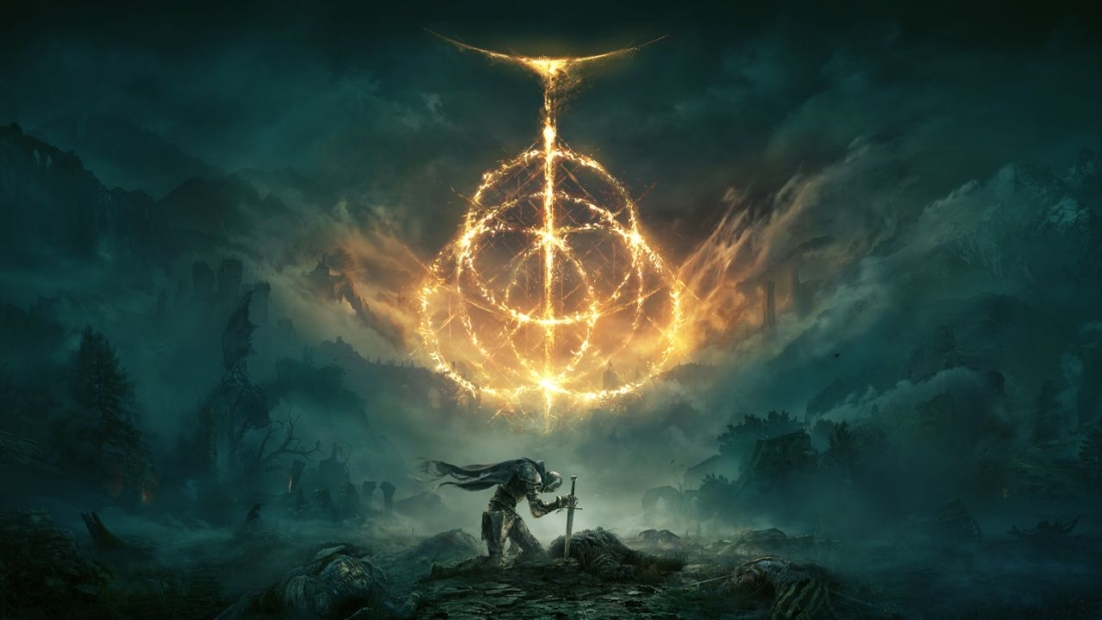
New builds unlock fresh combat styles, alternate endings give weight to long-term choices, and NPC questlines you missed on first playthrough finally come into focus. You start noticing shortcuts, secrets, and subtle storytelling woven into the world itself. One of the best aspects is the exploration. Getting lost is part of the magic, and no two journeys feel the same. The combat remains demanding yet deeply rewarding, and mastering it feels incredible. Elden Ring invites you to return, experiment, and prove to yourself that you have grown. Few games reward a second pilgrimage quite like this one.
Hollow Knight
Your first journey through Hallownest is about survival. The world is beautiful yet hostile, and for the first few hours, it can feel punishing. Stick with it, and the ruined kingdom slowly opens up, revealing one of the most atmospheric worlds in indie gaming. A second playthrough changes how you explore. With a better understanding of the map and its dangers, hidden lore begins to surface. Optional bosses, secret areas, and alternate endings suddenly feel within reach, and the story becomes clearer without being spelled out.
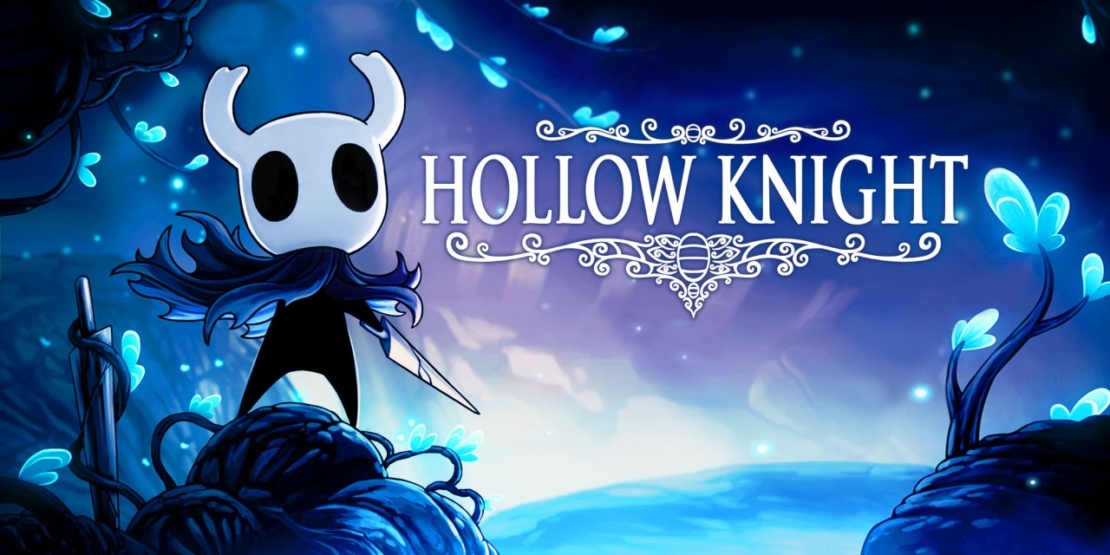
Replaying Hollow Knight turns exploration into excavation, piecing together what really happened to this fallen kingdom. The hand-drawn art, haunting soundtrack, and tight combat hold up just as well the second time around. Every shortcut you unlock and every challenge you overcome feels earned. Hollow Knight rewards patience and curiosity, and replaying it is less about getting stronger and more about seeing deeper. It’s a game that trusts you to connect the dots, making a return incredibly satisfying.
Papers, Please
Papers, Please is a game that feels completely different once you understand what your stamps actually do. You’re an immigration inspector in the communist state of Arstotzka, checking documents at a bleak border checkpoint as new rules pile up and pressure closes in from every side. On the surface, the job is simple. In reality, it’s a constant moral negotiation. Your first playthrough is about survival. Feed your family, avoid penalties, and follow orders. Coming back changes your perspective.
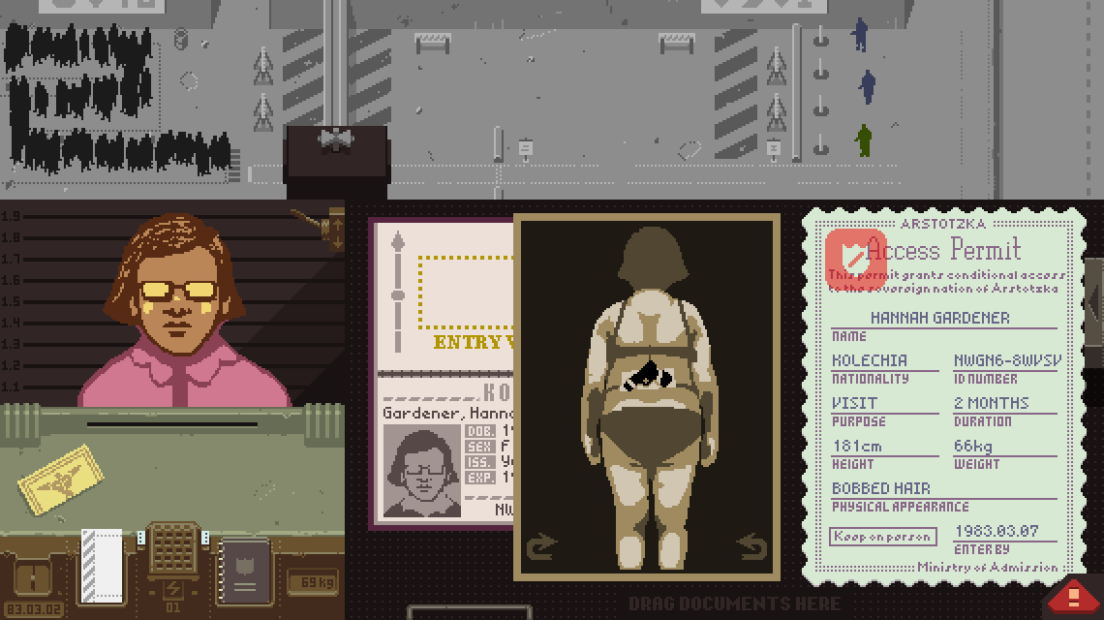
You now understand the consequences, and that knowledge reshapes every decision. Revisiting the game lets you explore different ethical paths, support or resist various factions, and uncover one of its many endings. Small choices suddenly feel enormous. A single approval or denial can save or ruin a life, including your own. The game never tells you what the right answer is. Papers, Please proves that replayability doesn’t require bigger worlds or better gear. Sometimes all it takes is a stamp, a rulebook, and a conscience.
Replay Your Games With PLITCH!
One more way to get even more out of a second or third playthrough is PLITCH. It lets you tailor games to how you want to replay them, whether that means removing frustration or adding a fresh challenge. You can speed things up, skip grindy sections, or make tough games like Elden Ring more relaxed when you just want to explore and enjoy the world.
On the flip side, PLITCH is also perfect if you want to push yourself further. By tweaking difficulty, limiting resources, or creating custom challenges, you can turn a familiar game into your own personal training ground. That flexibility makes revisiting your favorite single-player games feel new again, every single time.
If you want to know more about PLITCH, check out this blog and our YouTube channel!
Happy Gaming!
You might also like:
 English
  Deutsch