Heroes of Might and Magic Olden Era brings back classic turn-based strategy, featuring city-building, army management, Hero progression, and tactical battles. In our Heroes of Might and Magic Olden Era guide, we show you how to build stronger cities, level your Heroes, manage your armies, and win battles before your enemies grow too powerful. With the right strategy, you will conquer the map, one smart decision at a time.
Table of Contents
One Main Hero Does the Tricks
In Heroes of Might and Magic Olden Era, it can be tempting to hire every Hero you can afford. However, spreading your power across too many Heroes can slow you down quickly. Experience isn’t shared, armies are expensive to build, and a half-finished second army is usually just free loot for your enemy. That’s why, in most matches, you should treat one Hero as your real commander and use the others as helpers.
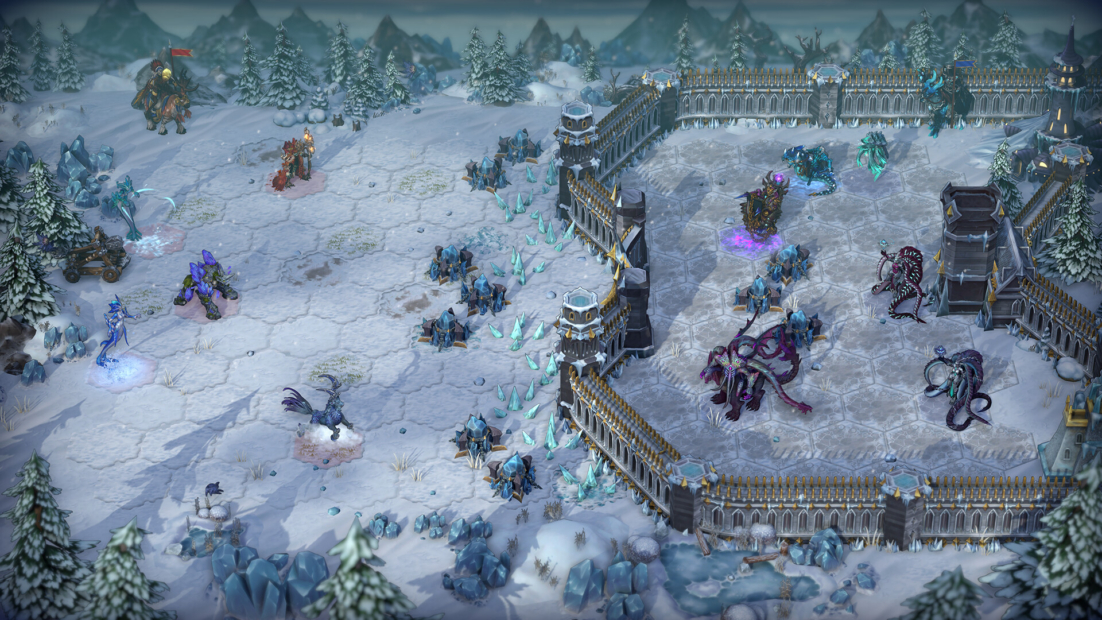
Your main Hero should receive the best units, the most useful artifacts, and the majority of your combat experience. This makes them stronger much faster and gives you a reliable army capable of winning important battles.
Use extra Heroes for support tasks instead:
- Scout the map and reveal the fog of war
- Pick up loose resources like gold, crystals, mercury, and other valuables
- Grab unprotected items before your opponent does
- Watch enemy movement from safer positions
- Carry artifacts or units back to your main Hero
Don’t Mix Factions Without Thinking
Army composition matters a lot in Heroes of Might and Magic Olden Era. If you fill one army with units from several factions, your troops can suffer a Morale penalty. That might not sound too dramatic at first, but low Morale can hurt you badly when a key unit fails to act at the right moment.
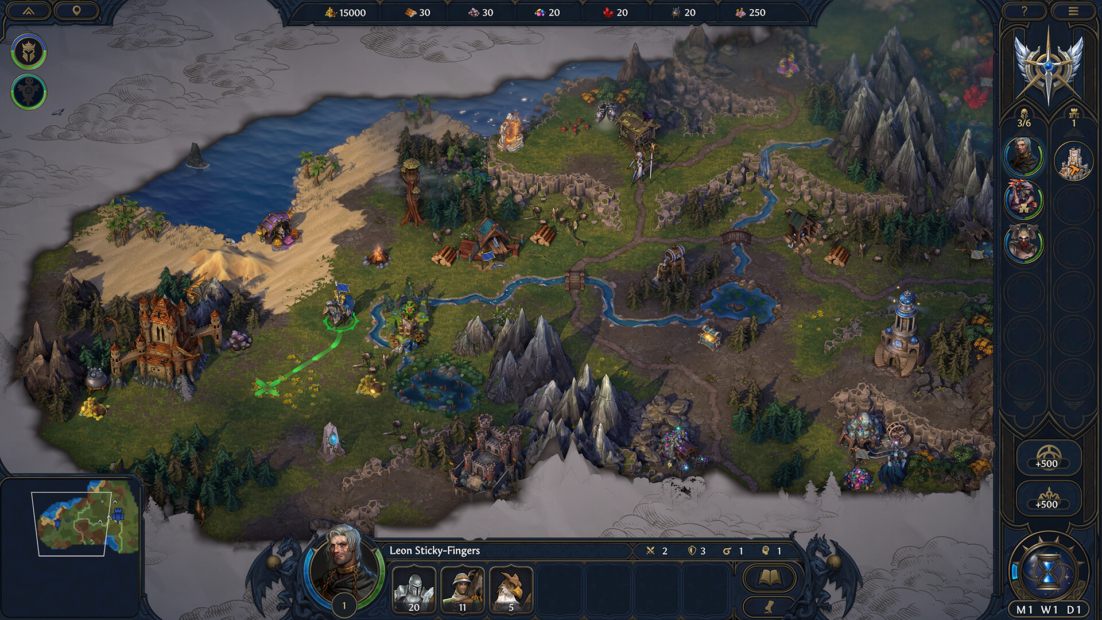
This is especially useful when you already have multiple Heroes:
- Give one Hero the units from one faction
- Give another Hero units from a different faction
- Avoid unnecessary Morale penalties
- Use morale-boosting artifacts or skills if you really want to mix armies
- Keep your strongest faction army with your main combat Hero
Use Native Terrain to Move Faster
Movement is one of the most important aspects in Heroes of Might and Magic Olden Era. Each faction has its own native terrain, and Heroes move more efficiently through terrain that matches their faction. Your Hero also benefits if their army includes a unit from the faction associated with that terrain. For example, Temple units help when moving through grasslands.
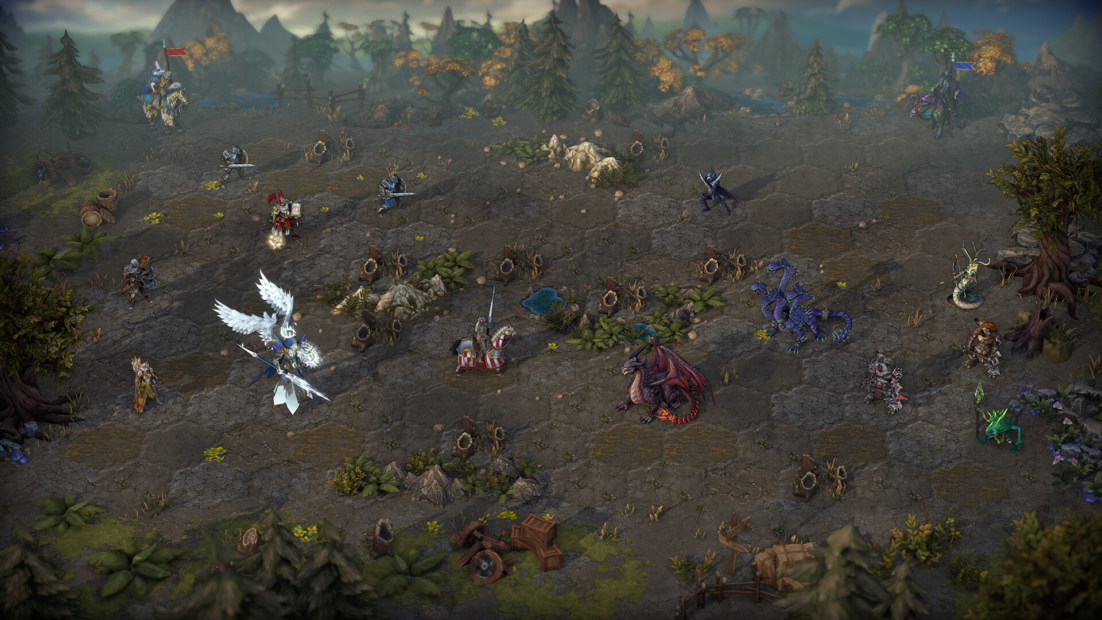
This means terrain should influence your planning:
- Keep Heroes close to terrain that suits their faction
- Add the right unit type if you want smoother movement through certain areas
- Avoid wasting movement points on bad routes
- Be extra careful in deserts, since they come with much harsher movement penalties
- Look for artifacts, spells, and skills that reduce terrain penalties
Deserts in Heroes of Might and Magic Olden Era deserve special attention. They can quickly drain your movement points, and crossing them without preparation can leave your Hero exposed. If you want to explore hostile terrain quickly, invest in movement-related upgrades before sending your army into the desert.
Check Hero Specializations
Not every Hero in Heroes of Might and Magic Olden Era is suited for the same job. Before you decide who gets your best army, take a moment to check their specialization.
Use specializations like this:
- Combat Heroes should lead your main army
- Scouting Heroes should reveal the map and avoid risky fights
- Resource-focused Heroes should collect loot and support your economy
- Magic-focused heroes can become dangerous with the right spell setup
- Movement-focused heroes are great for exploring large maps quickly
Your Hero Stats Affect Your Whole Army
Your individual units in Heroes of Might and Magic Olden Era matter, but your Hero is equally important. Their stats influence your entire army, so leveling them up should always be a priority. A strong Hero can make average troops far more dangerous, while a weak Hero can leave even good units feeling underwhelming.
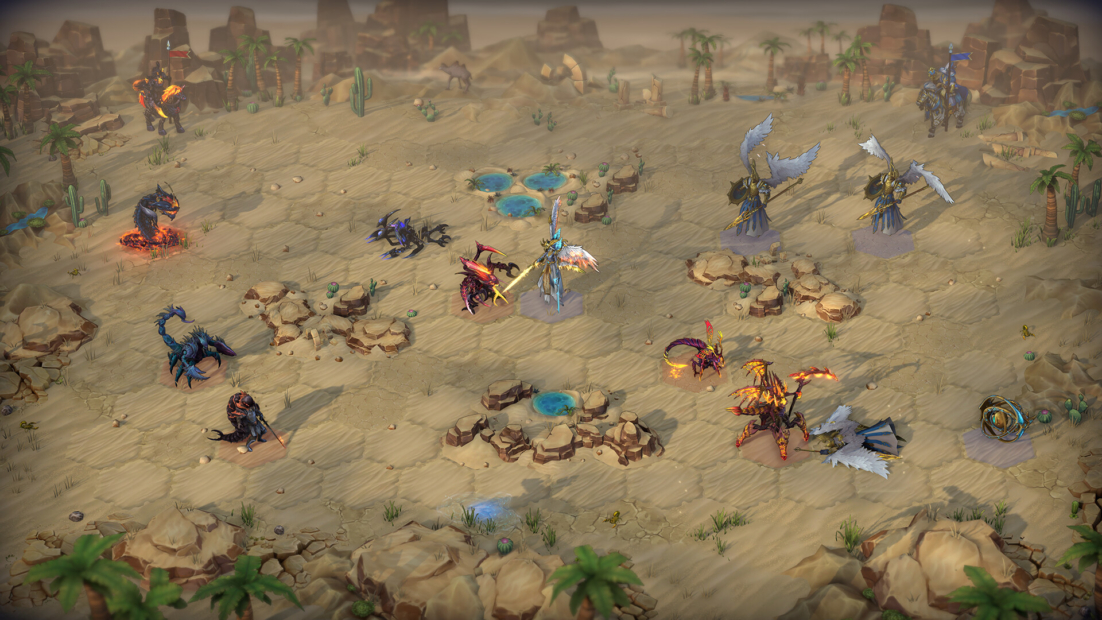
Keep an eye on Hero attributes like:
- Attack, which improves your army’s offensive power
- Defense, which helps your units survive longer
- Damage-related bonuses, which make your strongest stacks hit harder
- Knowledge, which improves your magical potential
- Other faction or skill-based bonuses, depending on your build
You should also visit map structures in Heroes of Might and Magic Olden Era that provide permanent or temporary buffs. These can boost your Hero’s attributes and give your army a significant edge before major battles.
Trade Units and Artifacts Between Heroes
Don’t forget that your Heroes in Heroes of Might and Magic Olden Era can help each other directly. If two Heroes meet on the map, they can exchange units and artifacts. In some cases, you can also use Remote Footholds to make this even more convenient. This is especially useful when a scouting Hero finds something powerful but can’t use it effectively. Instead of letting a good artifact sit on the wrong character, pass it to the Hero who actually needs it.
Use Hero trading whenever you can:
- Give combat artifacts to your main battle Hero
- Move spare units into your strongest army
- Pass movement items to scouts
- Keep economy items on Heroes who travel safely
- Make sure valuable artifacts are not wasted on disposable explorers
Don’t Ignore Magic
Armies win battles in Heroes of Might and Magic Olden Era, but magic can change them. A well-timed spell can help you defeat enemies that seem impossible on paper. If you’re up against a stronger force, your spellbook might be the answer.
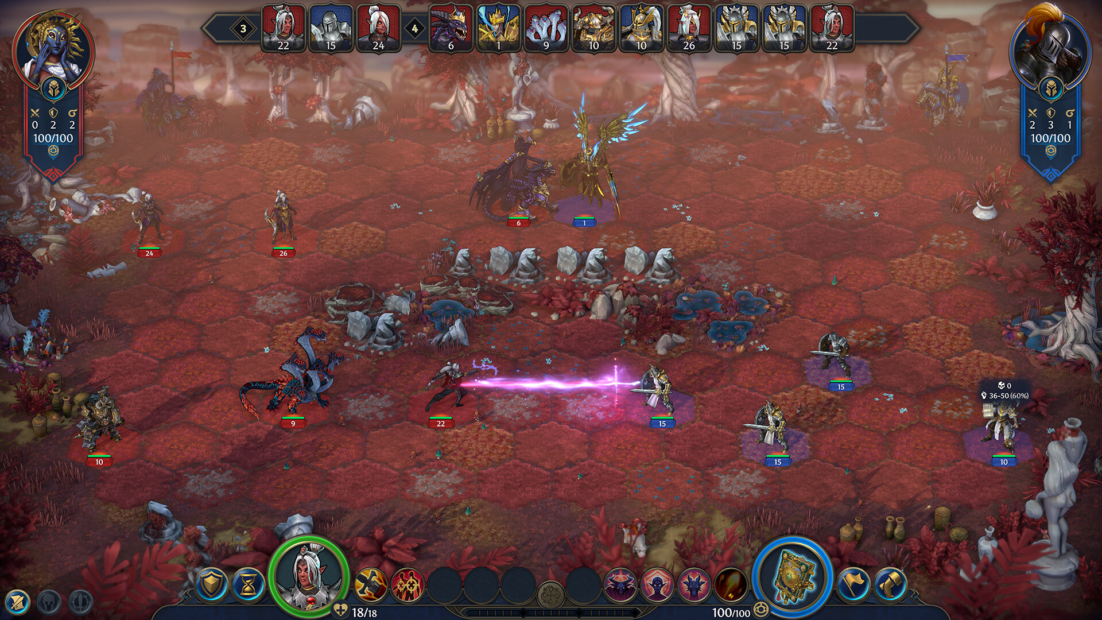
Magic can help you:
- Deal damage with spells like Fireball
- Weaken dangerous enemy units
- Support your own army
- Turn close fights in your favor
- Survive battles that would otherwise be unwinnable
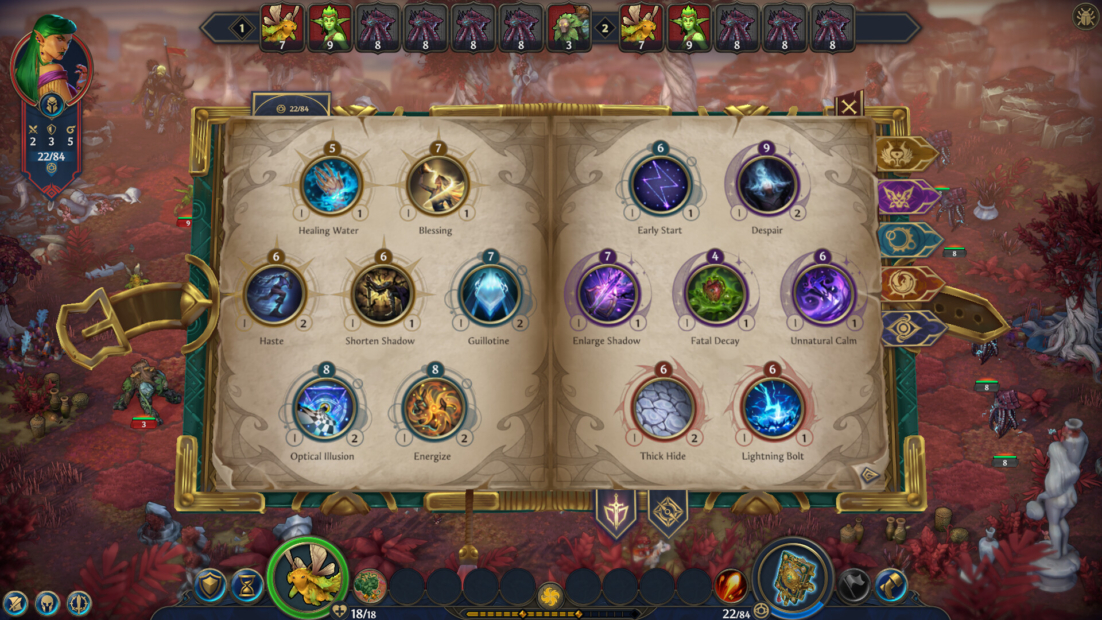
You can open your spellbook by pressing B on your keyboard. Your Mage Guild can be accessed by pressing O. Make it a habit to check both regularly, especially before bigger fights.
Upgrading Your Units
Once a unit in Heroes of Might and Magic Olden Era can be upgraded, you usually have to choose between two variants. At first, splitting your troops into multiple stacks to test both versions might seem like a good idea. But army slots fill up quickly, and sooner or later, you’ll need to commit. The better approach is to keep each unit type in one large stack and choose the upgrade that best fits your strategy.
Before choosing an upgrade, always check:
- HP, because fragile units can disappear fast
- Damage, especially if you rely on burst attacks
- Attack type, since ranged and melee units play very differently
- Special abilities, which can be more valuable than raw stats
- Speed and initiative, because acting first can decide battles
- Role in your army, so every stack has a clear purpose
Choose Skills That Match Your Playstyle
Every time your Hero in Heroes of Might and Magic Olden Era levels up, you receive a random stat point and choose from three skill options. These options can include new skills or upgrades to skills you already learned. Over time, your Hero can fill up to eight skill slots, so every choice matters. Don’t pick skills at random. Think about what your Hero is supposed to do.
The main skill types are:
- Might Skills, which improve your army’s battlefield performance
- Magic Skills, which make your spells stronger and more flexible
- General Skills, which help with scouting, movement, economy, and map control
- Faction Skills, which support the unique identity of your Hero’s faction
Faction Skills
Every Hero in Heroes of Might and Magic Olden Era belongs to a faction, and that faction grants them access to a unique skill. These skills usually reflect the faction’s playstyle, theme, or identity.
For example:
- Necropolis Heroes have access to Necromancy-related benefits
- Schism Heroes can summon additional units at the start of battle
- Other factions gain bonuses that match their own battlefield style
Faction Skills are important because they help define what your Hero is naturally good at. Instead of fighting that identity, you should usually build around it.
Build Your City with a Plan
In Heroes of Might and Magic Olden Era, your city is one of your greatest advantages. It produces your army, supports your economy, and keeps your strategy moving in the background. That is why you should be careful about what you build during the opening weeks.
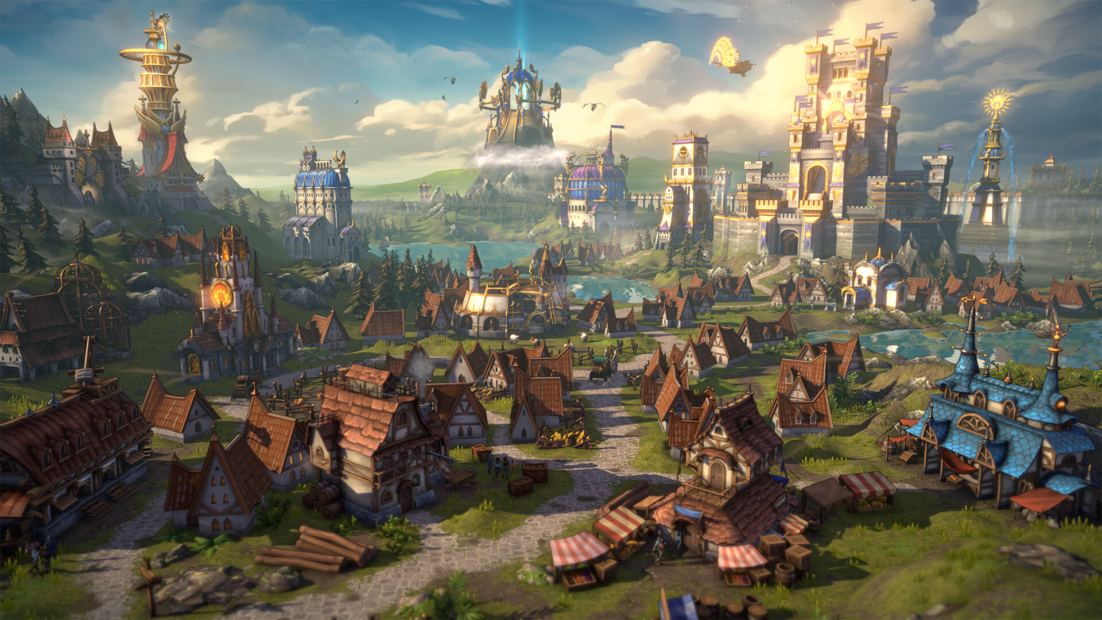
Your first priority in Heroes of Might and Magic Olden Era should usually be base unit buildings. As soon as a unit structure is built, the unit begins generating each week. You don’t have to recruit them right away. They will wait in the city until you return.
A solid early order looks like this:
- Build base unit structures first
- Unlock as many as possible in week one
- Let units stack up while your Hero explores
- Recruit them when you return
- Upgrade them once you have enough troops
Don’t rush to upgrade buildings too early. They make units stronger, but they don’t create more units. In the beginning, more units are usually better than a small upgraded stack.
Once your base recruitment is running, you can start adding:
- Unit upgrade buildings
- Banks and depots
- Resource generation structures
- Marketplace
- Fortifications much later
Fortifications should usually wait until the end in Heroes of Might and Magic Olden Era. A stronger army and better economy will protect you much better than early walls.
Build Every Day
You can build in every controlled city once per day, regardless of where your Hero is on the map. Since you’re limited to one building per day, forgetting to build can slow you down significantly.
Make it a habit:
- Start the day
- Check your resources
- Build in every city
- Then move your Heroes
Attack Before Enemies Get Too Strong
Especially in campaign missions in Heroes of Might and Magic Olden Era, it can be smarter to go after your enemy earlier than expected. If their stacks are still small, you have a much better chance of winning key battles and capturing cities.
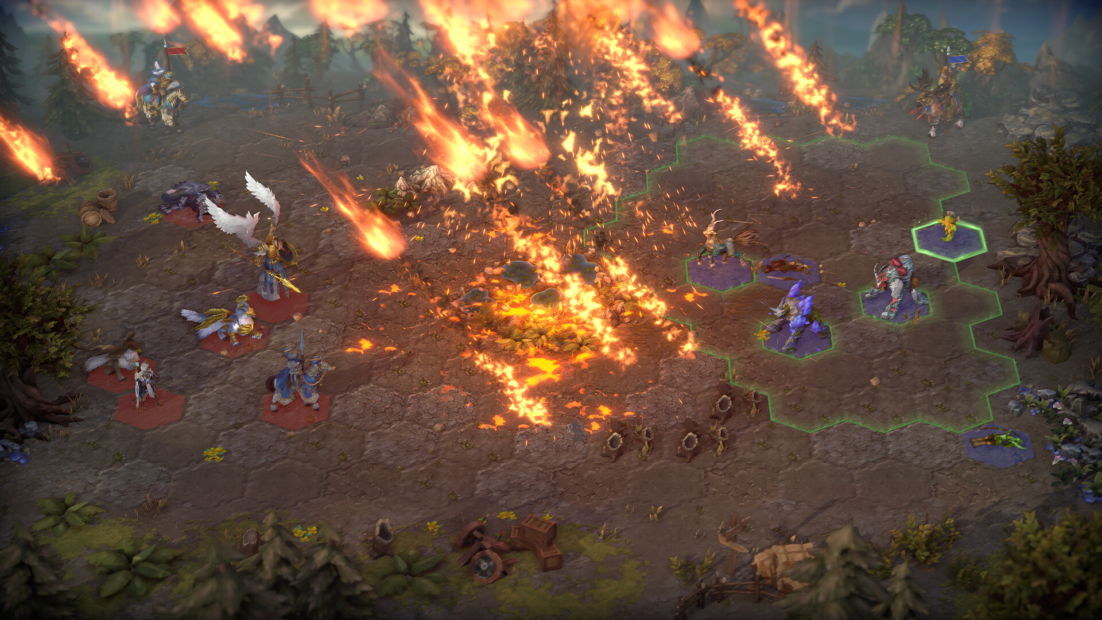
A good early combat plan looks like this:
- Build a solid army
- Scout the enemy position
- Move toward their cities
- Fight before their army grows too much
- Capture towns to cut off their production
This also helps you stay on the right side of the map. Instead of waiting until the enemy marches toward you, you take the initiative and force them to react.
Watch the Mini Map
Keep an eye on enemy movement in Heroes of Might and Magic Olden Era, especially in quick matches and online games. If an enemy Hero catches you, you can’t simply avoid the battle. Fleeing means losing your army, so prevention is better than panic.
If a new day takes longer to load and the light dims, that usually means an enemy is active on the map. As long as the fog of war doesn’t hide them, you can track their movement and plan accordingly.
Use that information to:
- Avoid fights you can’t win
- Move toward weaker enemies
- Protect important cities
- Prepare your main army
- Start battles on your own terms
Understand Initiative
Turn order in combat is determined by Initiative. Units with higher Initiative act earlier in the round. If two units have the same Initiative in Heroes of Might and Magic Olden Era, the unit with higher Speed goes first. If both Initiative and Speed are the same, the attacking side moves first.
Higher Initiative is a major advantage because it gives you more control over the battle. You can strike first, force enemy movement, or secure better positions before your opponent can react.
Keep this in mind:
- High Initiative units act earlier
- Speed decides ties
- Attackers win ties if both stats are equal
- Turn order can switch between rounds when values match
- Acting first often means controlling the fight
Use Waiting and Skipping
Your units in Heroes of Might and Magic Olden Era don’t always have to attack right away. Sometimes, patience is the better move.
Wait pushes a unit’s action to later in the turn order. This can force slower enemies to move first, letting you punish them once they come closer.
Use Wait when you want to:
- Let enemies move into range
- Avoid wasting an early action
- Set up a better attack
- Protect ranged units
- Force the enemy to commit first
Skip Turn ends the unit’s action entirely. This sounds bad, but it can be useful. A weak stack might avoid attacking because retaliation would destroy it. Another unit might simply stand in the way to block access to your ranged attackers.
Know Your Attack Types
Units in Heroes of Might and Magic Olden Era can attack in different ways, and understanding the differences helps you avoid bad trades.
- Melee attacks hit adjacent enemies and usually trigger a counterattack.
- Long Reach attacks hit enemies one hex away and usually avoid counterattacks.
- Ranged attacks can hit across the battlefield, but they are blocked if an enemy stands next to the unit.
Ranged damage also drops when the target is far away. After three hexes, damage decreases with distance, up to a major reduction. So, if you rely on ranged units, positioning matters a lot.
Conquer the Map With PLITCH!
With our Heroes of Might and Magic Olden Era guide, you’re ready to build stronger cities, lead smarter armies, and crush your enemies before they become too powerful. If you want even more control over your single-player adventure, the Heroes of Might and Magic Olden Era cheats from PLITCH let you shape the game your way.
You can adjust your gold, wood, ore, gems, crystals, mercury, and alchemical dust, or boost your Heroes with more XP, mana, Luck, Morale, Attack, Defense, Spell Power, and Knowledge. If map travel feels too slow, activate Unlimited Movement or increase your view radius.
During battles, you can change unit size, health, movement range, and action points, while also weakening enemy armies. You can even use Unlimited Constructions per Turn to speed up your city growth.
Check out this blog to learn more about PLITCH and our Heroes of Might and Magic Olden Era Trainer Showcase on YouTube to see our cheats in action.
Happy Gaming!
Read more about Heroes of Might and Magic Olden Era:
 English
  Deutsch