If you want to survive longer runs in Slay the Spire 2, understanding the fundamentals is crucial. These Slay the Spire 2 tips and tricks will help you build better decks, read enemy actions, and make smarter decisions during combat so you can climb the Spire more consistently and defeat its toughest bosses.
Table of Contents
Understanding the Basics in Slay the Spire 2
Slay the Spire 2 is a roguelike deckbuilding game where every run starts from scratch. You begin with a small starter deck, climb through floors of enemies, and gradually strengthen your build with new cards, relics, and potions.
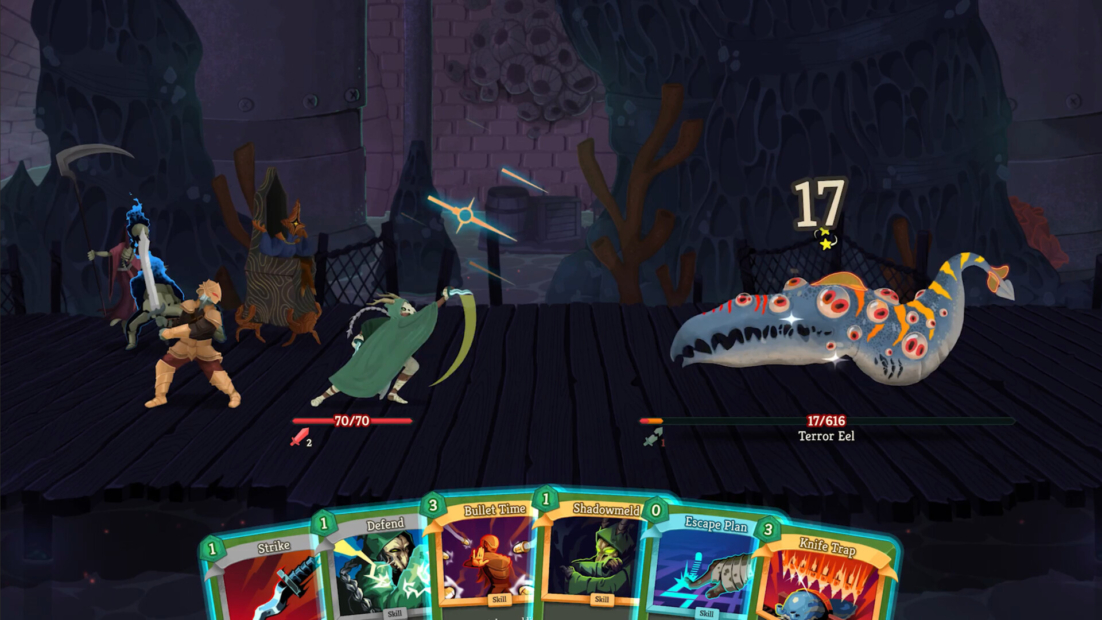
If you die in Slay the Spire 2, the run ends, and you start again. That’s part of the design. The game encourages learning and experimentation, and permanent unlocks carry over between runs, giving you more options over time.
What happens during a run?
Each attempt follows the same basic structure, although the map and encounters vary each time.
- Choose a character with a unique starting deck and card pool
- Navigate a procedurally generated map through multiple acts
- Fight enemies with cards drawn into your hand each turn
- Collect new cards, relics, and potions after battles
- Defeat elite enemies and bosses to advance further into the Spire
Understanding this loop helps you plan your route and determine which fights are worth engaging in.
Energy management is the foundation
Each turn in Slay the Spire 2 usually begins with 3 Energy. Since most cards cost energy, how you use it determines the strength of your turn.
- Play cards that offer the best value for their cost
- Avoid wasting energy on weak actions
- Balance damage and defense rather than focusing on just one
Efficient energy use is a key distinction between beginner and advanced runs.
Block vs HP
Block and HP behave very differently in combat.
- Block absorbs damage for one turn and then vanishes
- HP carries through the entire run
- Taking some damage is fine, but repeated hits will quickly end a run
When enemies execute a strong attack, blocking is usually the safer option.
Keep your deck small and focused
A common mistake in Slay the Spire 2 is trying to take every card reward. In reality, smaller decks are often more powerful because they cycle your best cards more often.
- Skip cards that don’t support your strategy
- Focus on powerful synergies instead of just quantity
- A lean deck will use its best tools more frequently
Relics define powerful builds
Relics give permanent passive bonuses throughout your run. Some relics are so influential that they can define your whole strategy.
- Found after elite fights and bosses
- Sometimes available in shops
- Often worth building your deck around
Learn the new mechanics
Slay the Spire 2 introduces mechanics that reward strategic planning.
- Unearth lets the Necrobinder reclaim cards from the Exhaust pile
- Retain allows certain cards to stay in your hand between turns
Important Keywords and Terms
Slay the Spire 2 introduces many mechanics quickly. Numerous cards, relics, and enemies depend on specific keywords that influence how abilities function in combat. Knowing these terms makes it easier to build powerful decks and respond to enemy strategies.
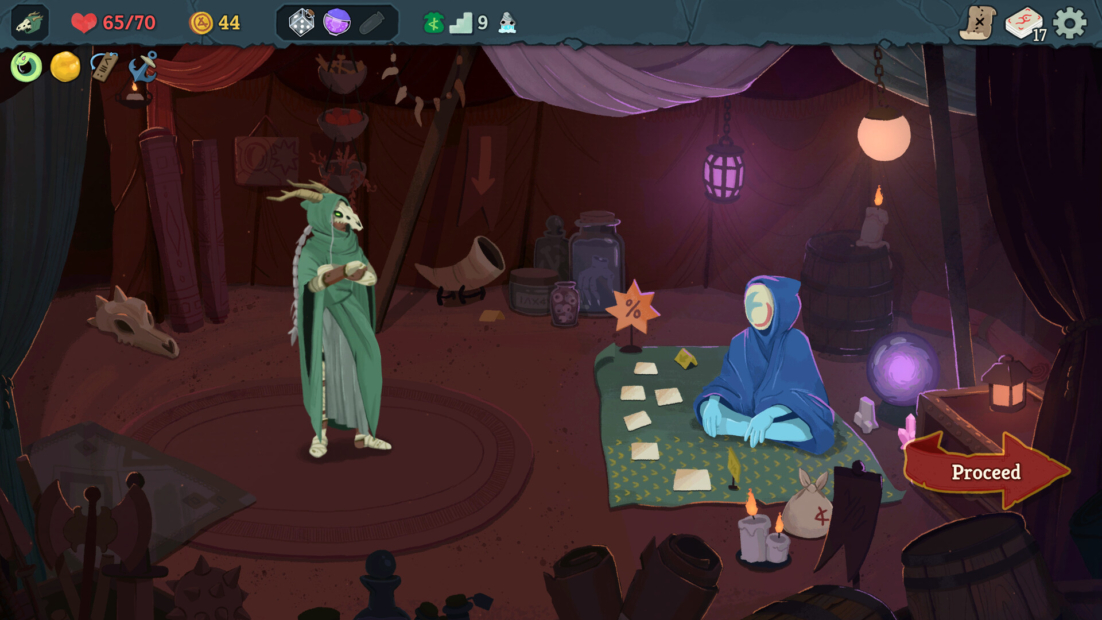
Here are some of the most important keywords you’ll come across during your runs in Slay the Spire 2.
Core combat mechanics
These mechanics recur during fights and form the foundation of most strategies.
- Energy – Used to play cards from your hand each turn
- Block – Prevents incoming damage until the next turn
- Strength – Increases the damage of attack cards
- Dexterity – Improves the amount of Block gained from cards
- Weak – Enemies deal 25 percent less attack damage
- Vulnerable – Creatures take 50 percent more damage from attacks
Status effects and defensive mechanics
These effects often happen during fights and can either help or hinder your run.
- Artifact – Negates the next debuff applied
- Intangible – Reduces all damage taken to 1
- Metallicize – Grants Block at the end of every turn
- Plated Armor – Adds Block each turn but decreases when you take unblocked damage
- Regeneration – Restores HP each turn but decreases over time
- Thorns – Deals damage back to attackers
Card and deck mechanics
These keywords alter how cards function in your deck or hand.
- Ethereal – If the card remains in your hand at the end of the turn, it’s exhausted
- Exhaust – The card is removed until the end of combat
- Innate – The card always appears in your starting hand
- Retain – The card stays in your hand instead of being discarded
- Curse – Negative cards that remain in your deck
- Status – Temporary negative cards removed after combat
- Unplayable – Cards that can’t be played directly
- Upgrade – Permanently improves a card once
Orb mechanics
Some builds depend heavily on Orb effects that activate either over time or when triggered.
- Channel – Places an Orb into an empty slot
- Evoke – Activates the rightmost Orb and removes it
- Lightning – Deals damage to random enemies
- Frost – Grants Block
- Dark – Gains damage each turn and deals it when Evoked
- Plasma – Generates additional Energy
- Focus – Improves the power of Orbs
- Lock On – Target receives extra damage from Orbs
Special mechanics
Some mechanics are rarer but can heavily influence certain builds.
- Confused – Randomizes the cost of cards when drawn
- Fatal – Triggers when a card kills a non-minion enemy
- Poison – Deals damage each turn and slowly decreases
- Ritual – Grants Strength every turn
- Sly – If discarded during your turn, the card is played for free
- Doom – A creature dies when its Doom equals or exceeds its HP
Learning these keywords early helps you read cards faster, plan better turns, and build stronger synergies during your climb through the Spire.
Combat Basics and Slay the Spire 2 Tips
Combat in Slay the Spire 2 follows a clear structure, but winning fights depends on making the right decisions each turn. Understanding how turns work and reading enemy behavior will help you avoid unnecessary damage and control battles more effectively.
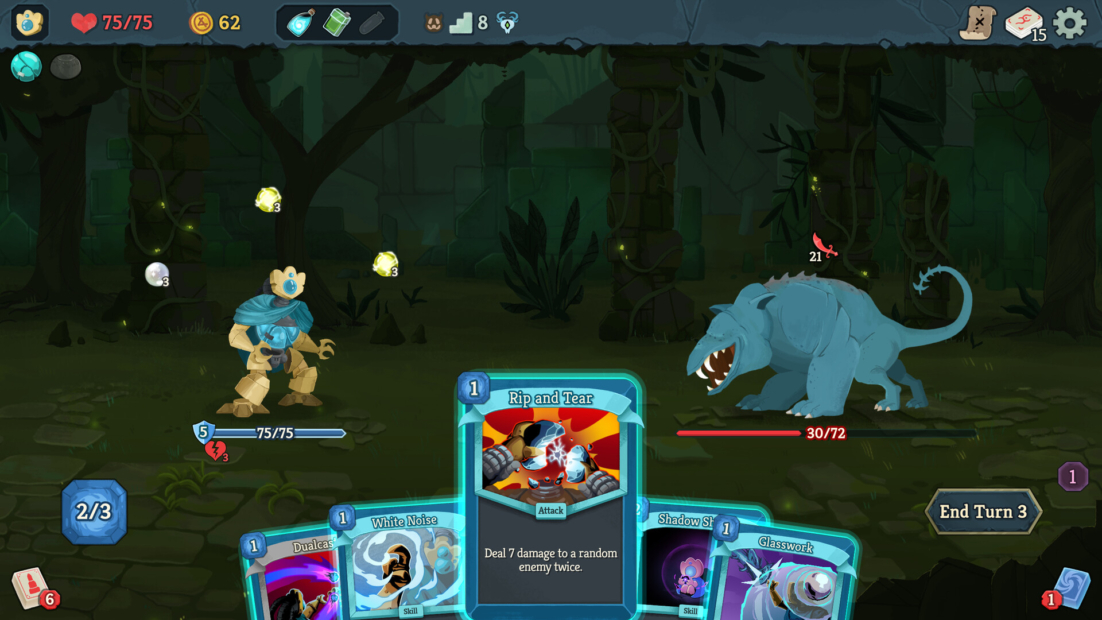
How combat turns work
Each turn follows the same sequence. Once you understand this cycle, fights become much easier to handle.
- Draw 5 cards from your deck
- Gain 3 Energy to play cards
- Check enemy intents to see what enemies will do
- Play cards using your available energy
- End your turn, and enemies take their actions
Since you have a limited number of cards and energy each turn, every move counts.
Always read enemy intent
Enemies in Slay the Spire 2 signal their next move with an icon above their head. Learning to read these cues is one of the most important combat skills.
- The sword icon usually means an attack with a specific damage amount
- Shield icon signals that the enemy will gain Block
- Buff or debuff icons indicate stat changes or negative effects
If an enemy plans to attack for heavy damage, prioritize Block. If they are preparing a buff, it might be a good time to go on the offensive.
Five essential combat tips
These core habits will improve your runs immediately.
- Keep your deck small: A focused deck allows your strongest cards to cycle more frequently. Typically, 10 to 15 cards is ideal early on.
- Upgrade key cards early: Campfires let you upgrade cards. Improving a main attack or defense card can significantly boost its effectiveness.
- Fight elites when you’re capable: Elites drop relics that can shape your run. Fight them when you’re healthy and your deck is fairly strong.
- Build around your relics: If you find a powerful relic, start selecting cards that benefit from its effect.
- Spend gold wisely: Shops sell relics, potions, and card removal. Removing weak starter cards is often the best early investment.
Map planning matters
Before beginning each act, pause to examine the map.
- Look for routes with elite encounters if you want powerful relics
- Try to head toward campfires before bosses
- Watch for hidden paths, which show up more often in the sequel
Mistakes to avoid
Many unsuccessful Slay the Spire 2 runs stem from a few common habits.
- Adding too many cards slows down your deck
- Skipping upgrades at campfires can be more beneficial than healing
- Avoiding elites entirely, missing key relics
- Saving potions forever instead of using them during tough fights
- Ignoring enemy intents and taking unnecessary damage
Good combat in Slay the Spire 2 relies less on luck and more on strategic planning, studying enemies, and creating a focused deck that supports your strategy.
Customize Your Runs with PLITCH!
If you want to try out different builds or make your runs less frustrating, PLITCH’s Slay the Spire 2 cheats can help you customize the experience. Instead of restarting runs over and over, you can concentrate on testing strategies, relic synergies, and deck options.
Some codes make survival much easier during difficult fights. For example, Unlimited Health, Refill HP, or Set Max HP help you stay alive during long boss encounters. Defensive options like Set Block or Always Min 100 Block let you ignore heavy enemy attacks while learning patterns.
You can also speed up progression with Add Gold to buy relics and card removals at shops. If you want to focus on experimenting with card combos, Unlimited Energy or Set Max Energy allow you to play far more cards each turn.
Check out this blog and our YouTube channel to learn more about PLITCH!
Happy Gaming!
You might also like:
 English
  Deutsch