Cheat codes are almost as old as video games themselves. Long before you could press a few buttons to become invincible, developers were already creating shortcuts to make testing easier. Over the decades, those hidden tools escaped the development room and became one of gaming’s most beloved traditions.
Today, cheats can give you unlimited health, infinite ammo, massive amounts of money, or even completely change how a game works. But the story behind them is far more interesting than simply finding the right button combination. So, let’s take a trip through the history of cheat codes and see how they became part of how you play.
Table of Contents
It All Started with the Developers
The first cheat codes were never really meant for you. Developers and playtesters needed quick ways to test their games without repeatedly playing through the same sections. Want to check whether a boss drops the right item? You probably don’t want to spend an hour just reaching the boss.
Debug shortcuts solved that problem. Developers could skip levels, modify health values, unlock items, or otherwise manipulate the game to test specific mechanics. Many of these tools were meant to be removed before release, but some survived and eventually found their way into the hands of curious players.
Hidden Secrets in the Atari Era
Some of the earliest player-accessible cheats weren’t traditional codes at all. In Adventure for the Atari 2600, released in 1979, players could discover a hidden room by performing a specific sequence of actions. Secrets like these helped establish the idea that games might contain things that were never openly explained to you.
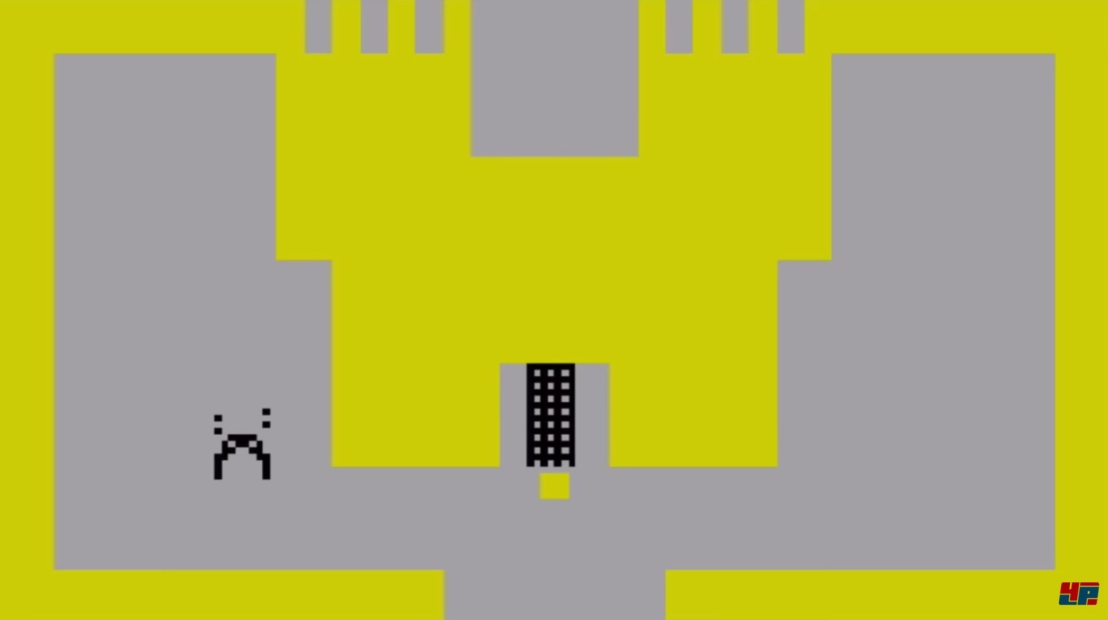
As games grew more complex, developers began deliberately leaving these kinds of surprises behind. What had once been a developer shortcut slowly became something much more interesting: a secret feature for players to uncover.
When Your Keyboard Became a Cheat Machine
On early home computers, cheating could be considerably more technical. Games stored their numerical values directly in memory, so players who understood how that memory worked could change values such as lives, ammunition, money, or health before launching the game.
On 8-bit systems such as the Commodore 64 and ZX Spectrum, POKE commands became a popular way to do exactly that. You could enter a specific command to change a value at a particular memory address, giving you an advantage the original game never intended.
The catch was that you had to know what you were doing. Finding the right memory address often meant studying machine code and determining exactly where the game deducted your lives or registered damage.
Cheat Magazines Made the Secrets Public
You didn’t necessarily have to become a programmer to discover these tricks, though. Gaming magazines began publishing lists of POKE commands that players could enter on their computers. Suddenly, knowledge that had previously been limited to technically minded players was available to anyone who picked up the right magazine.
Publications such as Crash regularly featured these instructions, turning obscure memory manipulation into something much closer to a mainstream hobby. This also helped create an important part of gaming culture: sharing secrets. Cheats became something you could discuss with friends, swap at school, or hunt down in magazines. The hunt for the right code could be almost as entertaining as using it.
Enter the Game Trainer
While POKE commands gave players a way to manipulate games, game trainers took the idea much further. A trainer is a program that alters values stored in a game’s memory, allowing you to change things such as health, ammunition, or other gameplay variables.
In the 1980s and 1990s, trainers were often integrated directly into games by software cracking groups. When you started the game, the trainer would appear first and ask which cheats you wanted to activate. After you made your choices, the game would then load with your selected modifications.
These releases became part of a distinct culture. Cracking groups often added elaborate intros to their releases, showcasing their technical skills and taking credit for the work. In release lists, plus signs indicated how many cheat options a trainer contained, creating the familiar idea of a game being released with a +1, +5, or +10 trainer.
The 1990s: The Golden Age of Cheat Codes
For many gamers, the 90s were the golden age of cheating. Cheat codes became more accessible, more creative, and far more deliberately designed. Instead of needing to understand memory addresses, you could simply enter a button combination or type a code and watch the game change.
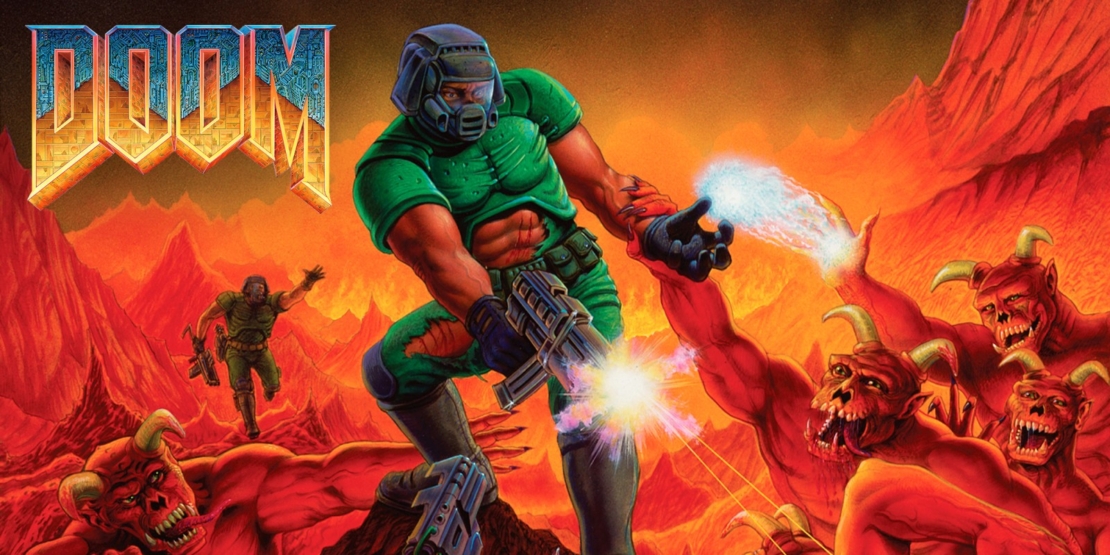
Games such as Doom, Mortal Kombat, and Grand Theft Auto became famous for their cheat codes. Suddenly, you could experiment with weapons, abilities, characters, vehicles, and other ridiculous combinations without having to worry about following the normal rules.
Cheat Codes Became an Industry
As demand for cheats grew, an entire industry developed to help players get past difficult games. Cheat books, strategy guides, cheat cartridges, and dedicated publications turned secrets into products you could actually buy.
Not everyone approved. Some gaming publications argued that cheating went against the idea of fair play, while others embraced cheats as another way to enjoy a game. That debate is still familiar today: does using a cheat ruin the experience, or does it simply let you play the game your way?
Why Cheat Codes Started Disappearing
The rise of online gaming changed everything. A cheat that gives you unlimited health in a single-player game only affects your experience. Give the same advantage to one player in a competitive multiplayer match, and suddenly everyone else is at a disadvantage.
As online gaming became more important, developers introduced increasingly strict anti-cheat systems and rules prohibiting external cheating software. Multiplayer cheating can damage trust among players and undermine a game’s competitive side, which is why it’s generally treated very differently from single-player cheats.
Achievement systems also made traditional cheats less appealing in many games. Developers could disable achievements when cheats were active or simply remove cheats altogether. As a result, the famous cheat menu became far less common than it once was.
Cheats Found a New Home
That doesn’t mean cheating disappeared. It simply changed form. Mods, trainers, debug consoles, save editors, and user-created content now offer many of the same possibilities that traditional cheat codes once provided.
Some games still include developer consoles with extensive commands, especially in single-player experiences. Others unlock special cheats after you complete specific challenges. Mods can take things even further, changing mechanics, adding new content, or completely transforming how a game behaves.
PLITCH: The Next Generation of Game Trainers
The story of game trainers didn’t end when POKE commands disappeared or cheat codes became less common. The idea simply evolved. Today, platforms like PLITCH take the core concept of classic trainers and make it much more accessible for modern PC gaming.
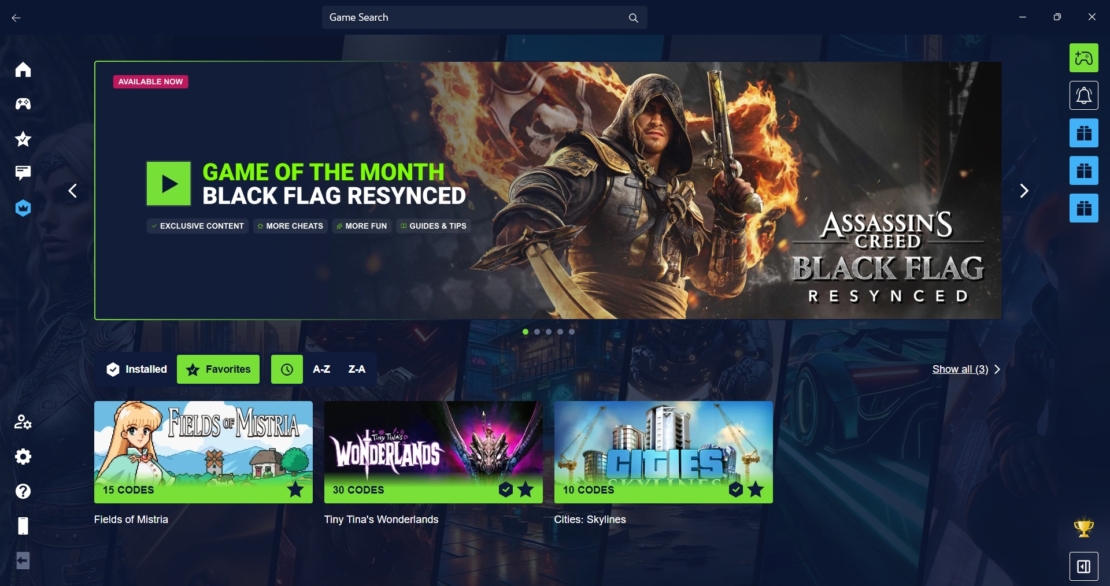
With 5,700+ supported games and 79,500+ cheats, PLITCH gives you control over everything from health and ammunition to resources, experience, movement, and difficulty. More than 700 games are even available completely free, making it easy to try the concept before committing to anything.
From Memory Addresses to One-Click Cheats
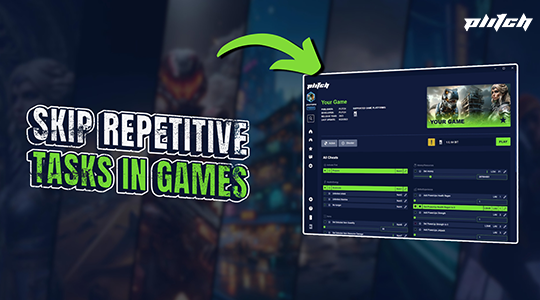
Remember those early trainers that required technical knowledge just to run? You no longer need to hunt down memory addresses or type complex POKE commands. PLITCH handles the technical side for you, so you can simply choose the cheats you want to activate.
The software temporarily adjusts values in your PC’s RAM while the game is running, rather than modifying the game’s files. You can activate cheats with custom hotkeys, an in-game overlay, or the free mobile companion app, giving you several ways to control your game without digging through technical settings.
Cheats Aren’t Just About Making Games Easier
One of the most interesting things about modern trainers is that cheating no longer has to mean simply becoming overpowered. PLITCH also offers Hardcore Cheats, letting you deliberately make games more difficult by reducing your health, increasing enemy strength, slowing your character, or combining multiple restrictions.
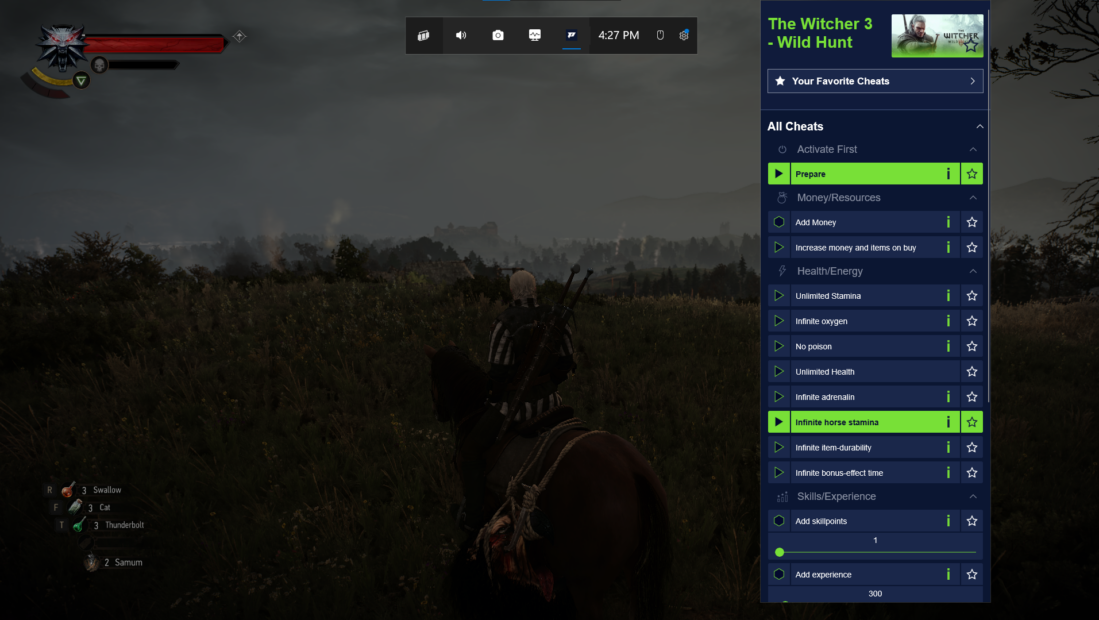
That opens up possibilities that early cheat makers could hardly have imagined. You might give yourself unlimited stamina while reducing your health to create a custom challenge, or remove a frustrating grind while keeping every combat encounter dangerous. Instead of simply breaking the rules, you can make your own.
A Different Way to Experience Games
This philosophy dates back to PLITCH’s beginnings in 2015. Founder Christian Jänicke began creating cheats to experience games on his own terms. After repeatedly getting stuck in games and feeling that limited gaming time was being wasted, he saw cheats as a way to make games fit the player rather than forcing every player into the same experience.
That idea still shapes PLITCH today. You might use a trainer because you only have an hour to play after work, because you want to skip repetitive grinding, or because a specific difficulty barrier is keeping you from enjoying a game. For some players, cheats can also offer options that make games more accessible to their individual needs.
Keeping the Spirit of Classic Cheats Alive
There is also an important distinction between modern trainers and the cheating that causes problems in competitive gaming. PLITCH is focused exclusively on single-player PC games, keeping its cheats out of multiplayer competition.

In that sense, it continues one of the oldest traditions in game cheating: giving you the freedom to experiment with a game without affecting anyone else’s experience. The technology has become much more sophisticated, but the basic idea remains surprisingly familiar.
From secret developer shortcuts and POKE commands to cracking group trainers, famous cheat codes, and today’s sophisticated trainer platforms, the history of cheats has always been about one thing: giving players more control. PLITCH is the latest chapter in that story, bringing an old gaming tradition into the modern era.
Read more about PLITCH:
- 25 Special PLITCH Cheats and Mods to Transform Your Favorite Games
- PLITCH vs WeMod/Wand: Which PC Cheat Tool Is Better?
- Enjoy Your Games Without Limits With PLITCH!
- The Ultimate Guide to PC Game Trainers
- PLITCH, Accessibility, and the Power of Cheats
- Brainwave Studies Show That Cheats Make Games More Fun

 English
  Deutsch