Plants are essential for survival in StarRupture. They help maintain your health, hydration, energy, and resistances while you explore Arcadia 7. This StarRupture plants guide breaks down every important plant, where to find it, and how to use it efficiently without wasting time or resources.
Table of Contents
Polifruit
Polifruit is usually the first plant you’ll encounter in StarRupture. You can spot it easily by its bright orange, carrot-like shape.
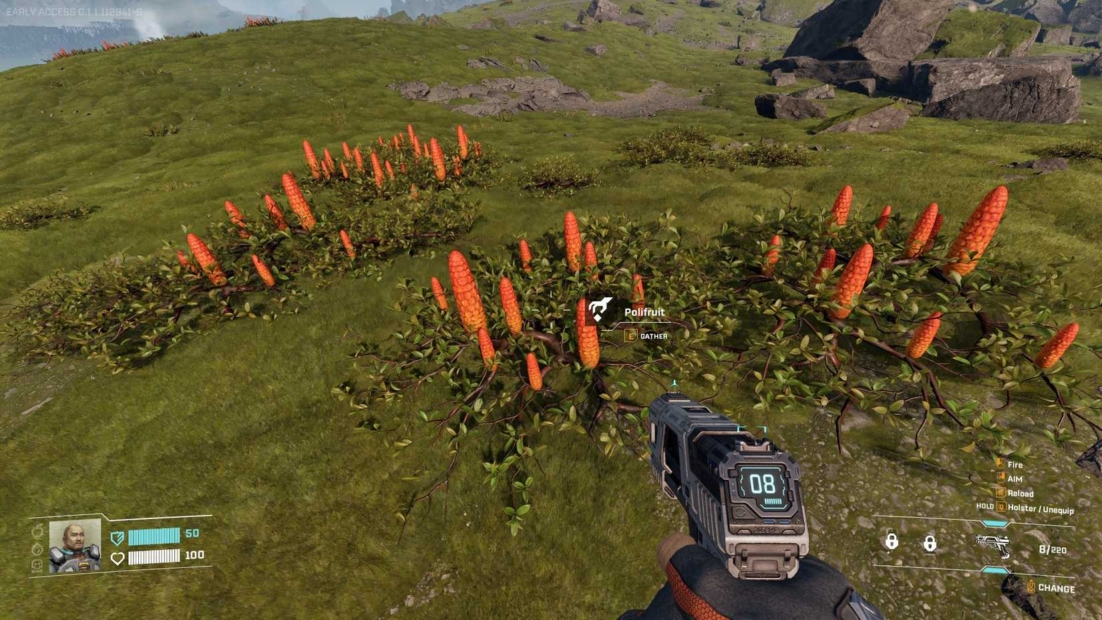
- Grows almost everywhere with grass on Arcadia 7
- Restores Calories when eaten
- Can be combined with other plants for stronger food effects
- Some recipes even pause Calorie drain for a short time
Hydrobulb
Hydrobulbs are among the most important early plants you’ll find in StarRupture. They help you manage Hydration, which constantly drains as you explore Arcadia 7.
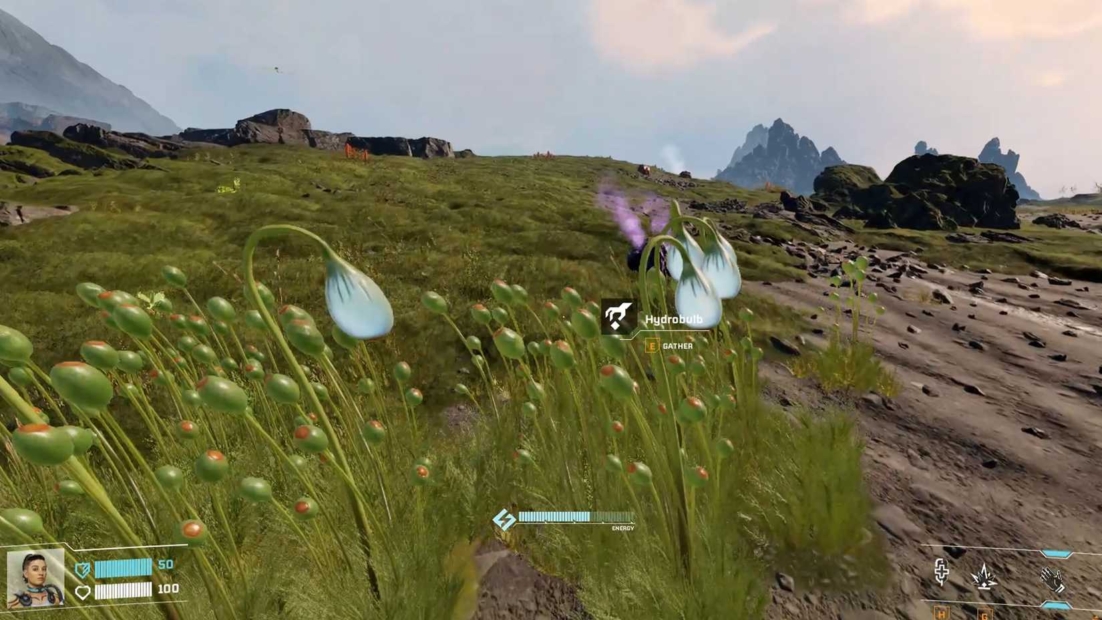
- Mostly found near water sources like ponds and pools
- Eating them restores Hydration
- Perfect to balance long exploration runs
A big advantage is that plants respawn after each heatwave. This lets you farm the same spots repeatedly without having to move far.
Good early locations:
- A small pool below the Titanium vein near the Orbital Lander tutorial area
- Several clusters on the southeast side of the map
- Smaller spots scattered in the northeast
The best farming location is on the far right of the map, just below the Forgotten Engine. A large water pool spawns many Hydrobulbs. Be ready, though. Heavy enemy presence makes this spot risky early on.
Glowcaps
Glowcaps are among the most valuable plants in StarRupture, but they are also the hardest to farm. You’ll only find them in underground caves, and timing matters a lot.
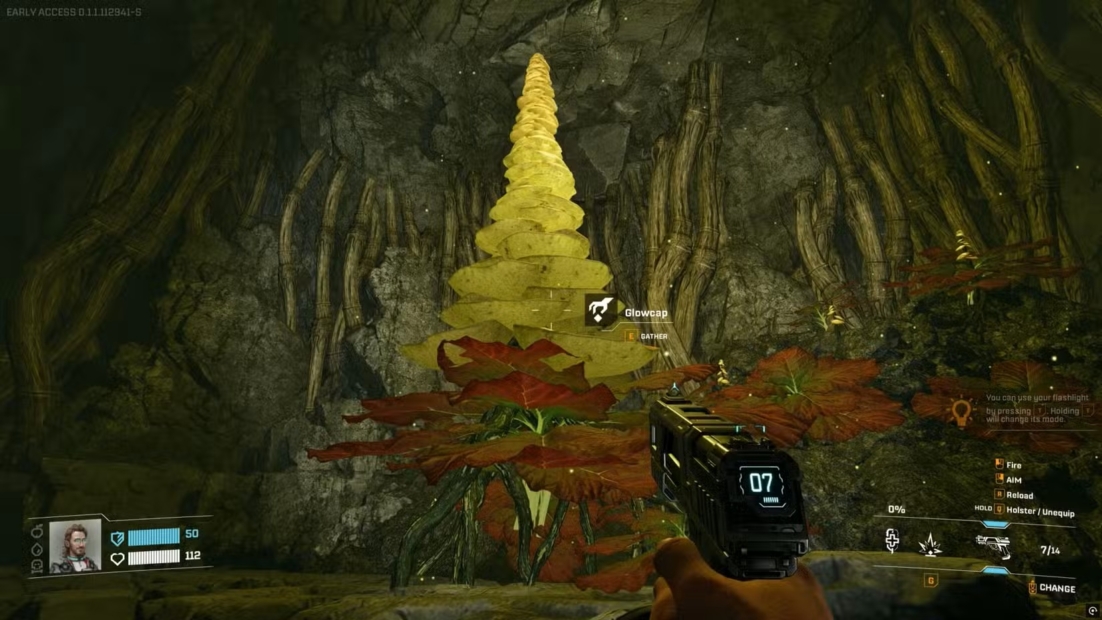
- Caves open right after a heatwave
- Look for gray, ashy ground before the planet recovers
- Vines blocking cave entrances disappear only during this short window
- Cave locations are marked by a question mark or a cracked circle on your map
Once inside, turn on your flashlight with T. You’ll see glowing green fungus on the cave walls. Each cave usually has three to five Glowcap clusters.
Glowcaps are incredibly versatile:
- Restore Health, Hydration, and Calories
- Used to craft resistance plasms
- Plasms double resistance to Heat, Drain, Corrosion, or Infection for 10 minutes
- Each plasm costs three Glowcaps and adds +40 Toxicity
Be careful. Glowcaps seem limited and may not respawn after heatwaves. Use them wisely.
Star Tear
Combat in StarRupture can drain your health quickly. Star Tears are one of the best ways to recover it.
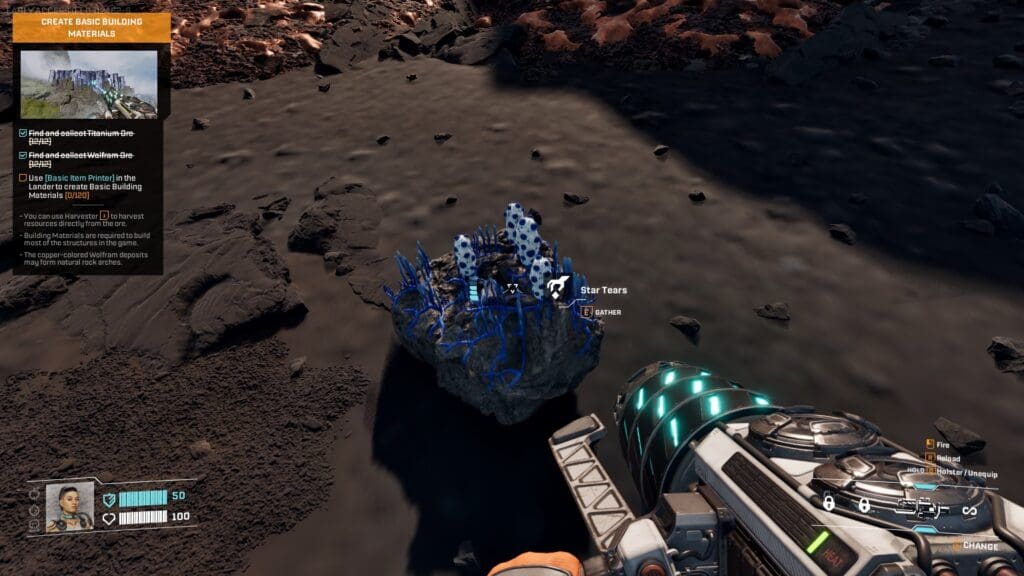
- Eating Star Tears restores Health
- Food recipes with Star Tears boost healing even more
- Each use adds Toxicity, which fades over time
Finding them takes patience. Star Tears grow on small rocks scattered across the planet.
- No fixed farming spot
- Sometimes two or three spawn close together
- Best collected while exploring naturally
The good news is consistency. Star Tears respawn at the same locations after every heatwave. Once you spot a few near your base, set up a simple farming route. Loop through it after each heatwave and keep your healing supplies stocked for tougher fights.
Prickler
Prickler is one of the most efficient food plants in StarRupture. It provides both Calories and Hydration at the same time, helping you save valuable inventory space.
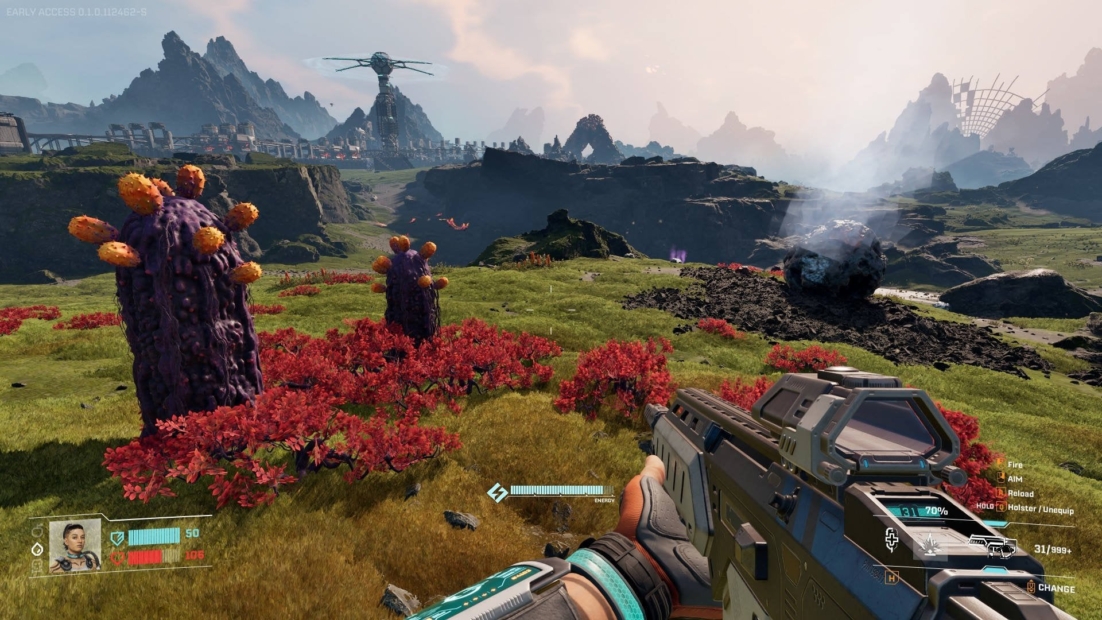
- Restores both stats in one item
- Perfect for long exploration runs
- Even better when used in food recipes
You’ll find Pricklers growing on cactus-like plants inside red flower fields. They are fairly common and easy to spot.
- Look for red areas on your map
- Often grows in small clusters
Reliable locations include:
- Just below the Wolfram vein, northeast of the Orbital Lander
- Large parts of the southeastern map
- South and east of the red lake in the northeast
Purplant
Toxicity can sneak up on you in StarRupture, especially if you rely on advanced food recipes. Purplant is the fastest way to handle it.
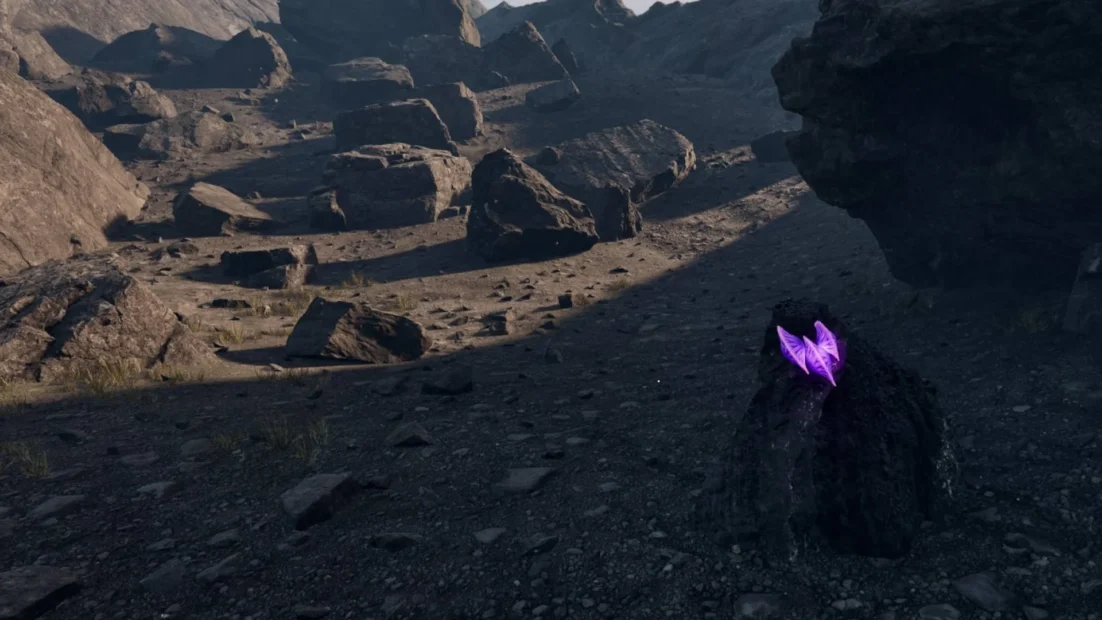
- Instantly reduces Toxicity
- Counters side effects from strong food and plasms
- Great to keep on hand for risky situations
Purplant is rare and easy to miss. It grows on rocks beneath cliffs, usually in shaded areas without direct sunlight.
Good farming spots include:
- Above the Helium 3 deposits in the lower middle of the map
- Left of the large vertical freshwater pool on the lower right
- Right side of the red water in the top right area
If you plan to use Toxicity-heavy items, Purplant isn’t optional. Keep a small reserve whenever possible.
Prism Herb
Prism Herb is the rarest plant in StarRupture and one of the most important for advanced crafting. On its own, it only adds Toxicity. Its true power lies in combining it with other plants.
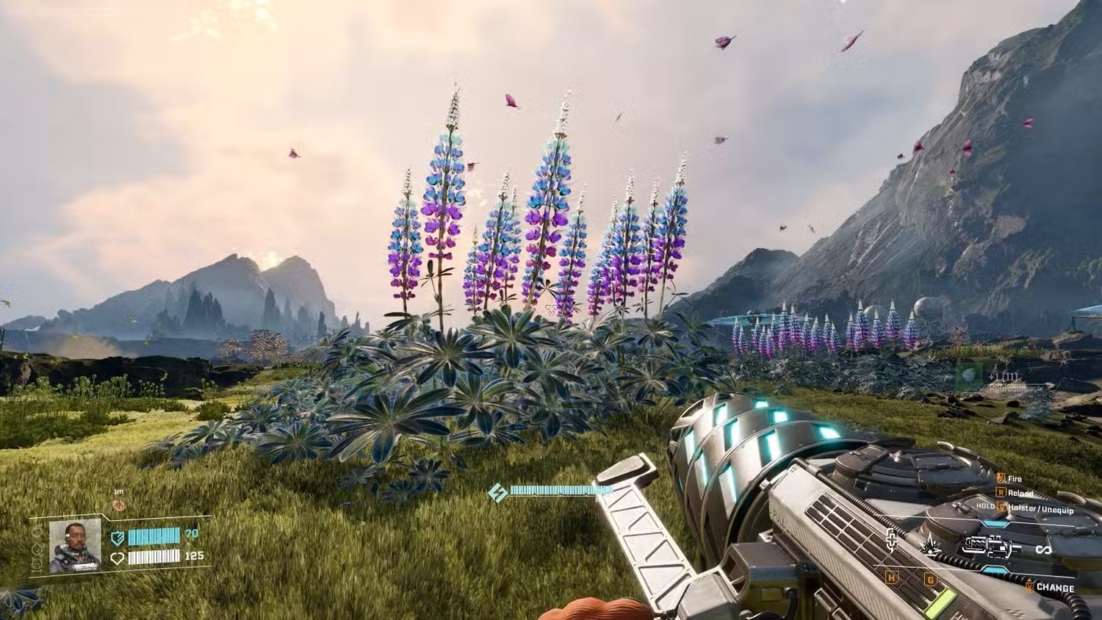
- Boosts Calories and Hydration in recipes
- Can massively increase stamina regeneration
- Required for several late-game consumables
You can recognize Prism Herb by its purple-blue color and the butterfly-like bugs that fly around it. It usually grows near ponds and rivers, similar to Hydrobulbs.
Best locations to check:
- Pools on the southeast side of the map
- Below the Forgotten Engine
- Near the large blue lake on the bottom right
- A pond east of the Orbital Lander with a small island full of Prism Herbs
You’ll need around 200 Prism Herbs to unlock all recipes. Farm them between waves and plan ahead.
Grubbler
Grubblers are a strong early and mid-game healing option in StarRupture. Think of them as an upgraded Star Tear.

- Restore more Health than Star Tears
- Add more Toxicity as a trade-off
- Very common and easy to farm
While Grubblers shine as a base food item, they work differently in crafting.
- No standalone recipes
- Used to enhance other plant recipes
Finding them is simple. Look for giant trees bent to one side. You can spot them from far away, even while moving fast.
Common areas:
- Large parts of the southeast map
- Several clusters in the northeast
If you need reliable healing and can manage Toxicity, Grubblers are among the safest resources to stock up on.
StarRupture Plants Guide: Serpent Root
Stamina might not appear as a stat, but it decides many fights in StarRupture. Sprinting, dashing, and double jumps all depend on it. Serpent Root helps you stay mobile.
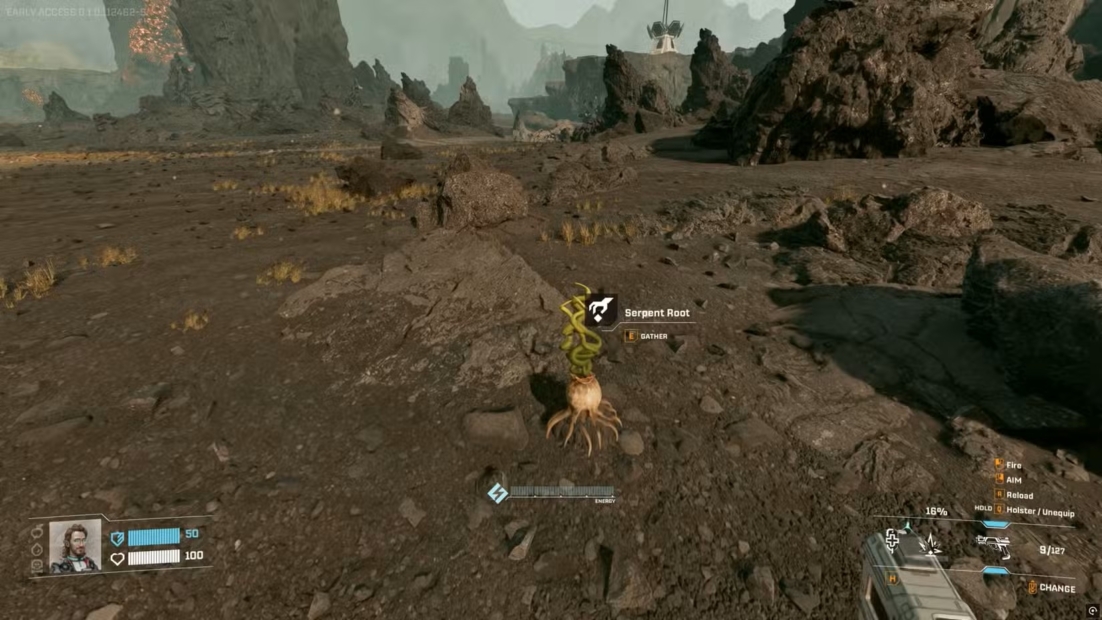
- Doubles Stamina regeneration by default
- Can be boosted further in combined recipes
- Extremely useful during long fights and escapes
You’ll find Serpent Root in barren zones with no vegetation.
- Grey or brown ground with no grass
- Easy to spot on the map by their dull color
A reliable area is near the Grey Owl research outpost, northeast of your starting base.
Look for a small, weed-like plant growing from the ground. Serpent Roots usually grow alone or in pairs, not in clusters. They are mainly used for energy-focused consumables, but also support healing, hunger, and hydration recipes. Always grab them when you see one.
Sulheart
Sulheart is easy to find in StarRupture but risky to harvest. You’ll only find it in sulfur fields, marked by bright yellow ground on the map.
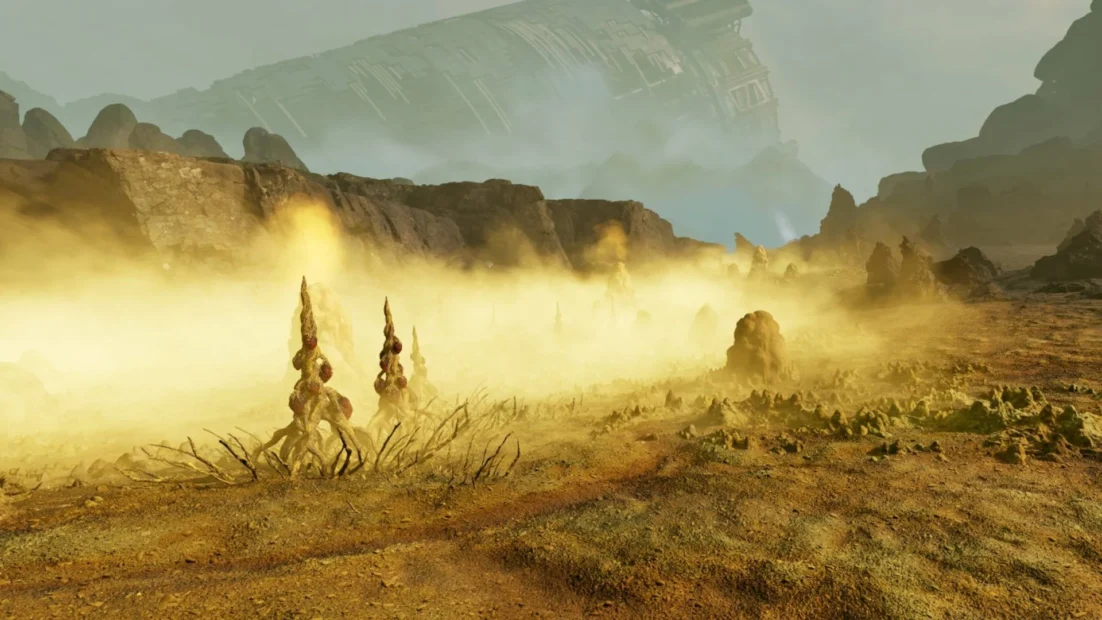
- Common in the southeast and northern regions
- Always grows inside corrosive sulfur zones
The challenge is timing. Sulhearts appear only when the planet has fully regenerated, but sulfur fields then emit corrosive gas.
You have two solid options:
- Dash in and out of the sulfur field and grab plants quickly
- Place Sulfur Extractors right after a wave to block corrosion entirely
Bring healing items and toxicity-reduction food. This lets you stay longer and grab more.
Sulheart is used in many high-value recipes. These recipes increase health, energy, calorie limits, and resistance effects. Almost all also add Toxicity, so plan your consumables carefully.
Oxallop
Oxallop is a wave-only resource in StarRupture, similar to Glowcaps. You can only farm it immediately after a heatwave, before the planet regenerates.
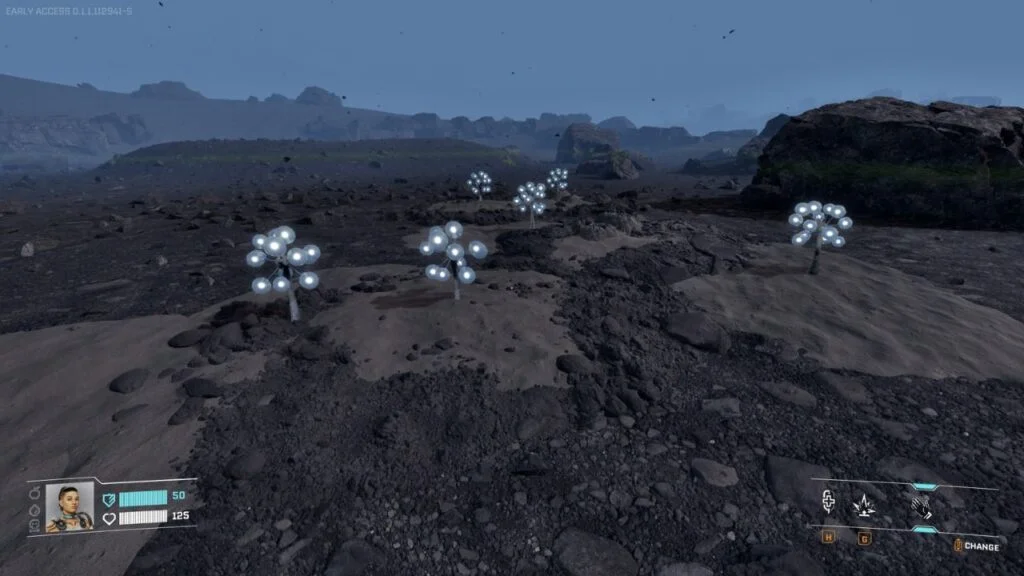
- Only appears during the barren phase
- Much easier to farm than Glowcaps
The trick is knowing where to look. Oxallop grows on dry lakebeds, exactly where water will return later.
- Check areas that normally contain lakes or large pools
- Water disappears briefly after a wave
Best farming spots:
- The large red lake in the northeast
- The tall blue lake in the southeast
Once regeneration starts, these plants are gone.
Oxallop is used to craft powerful-effect capsules. These include constant health regeneration and prevention of calorie or hydration loss. Always take advantage of wave windows and grab as many as you can.
Make Plant Farming Easier With PLITCH!
Collecting plants in StarRupture can get dangerous fast, especially during waves, in corrosive zones, or during deep exploration runs. This is where PLITCH’s StarRupture cheats help you stay focused on farming instead of survival micromanagement.
Codes like No Hydration, No Calories, and No Toxicity let you gather plants without constantly stopping to manage stats. No Corrosion, No Infection, and Low Heat are ideal for high-risk areas such as sulfur fields or post-wave zones. If things still go wrong, Unlimited Health and Refill Health keep you alive. To speed things up, Fast Resource Mining and Walk Speed Multiplier help you clear routes quickly and efficiently.
This way, you can focus on crafting, experimenting, and progressing at your own pace.
Check out this blog to learn more about PLITCH and watch our StarRupture Trainer Showcase on YouTube to see our cheats in action!
Happy Gaming!
Check out our other StarRupture guides:
 English
  Deutsch